Restaurant wok burner: how to choose, install and use it safely
A restaurant wok burner gives a big flame for stir-frying, deep-frying and stewing. How to choose a burner by dish and output, choose the regulator and a suitable gas supply, install it, clean the burner head and stay safe.
VietnhatGas · · 3 min read
Stir-fries over a fierce flame, deep-frying and large pots of bone broth all need a powerful flame that a household stove cannot provide. A restaurant wok burner is a high-output LPG burner widely used in eateries, restaurants and canteens. This article explains how to choose a burner, choose a gas supply, install it and operate it safely.
What is a high-pressure wok burner?
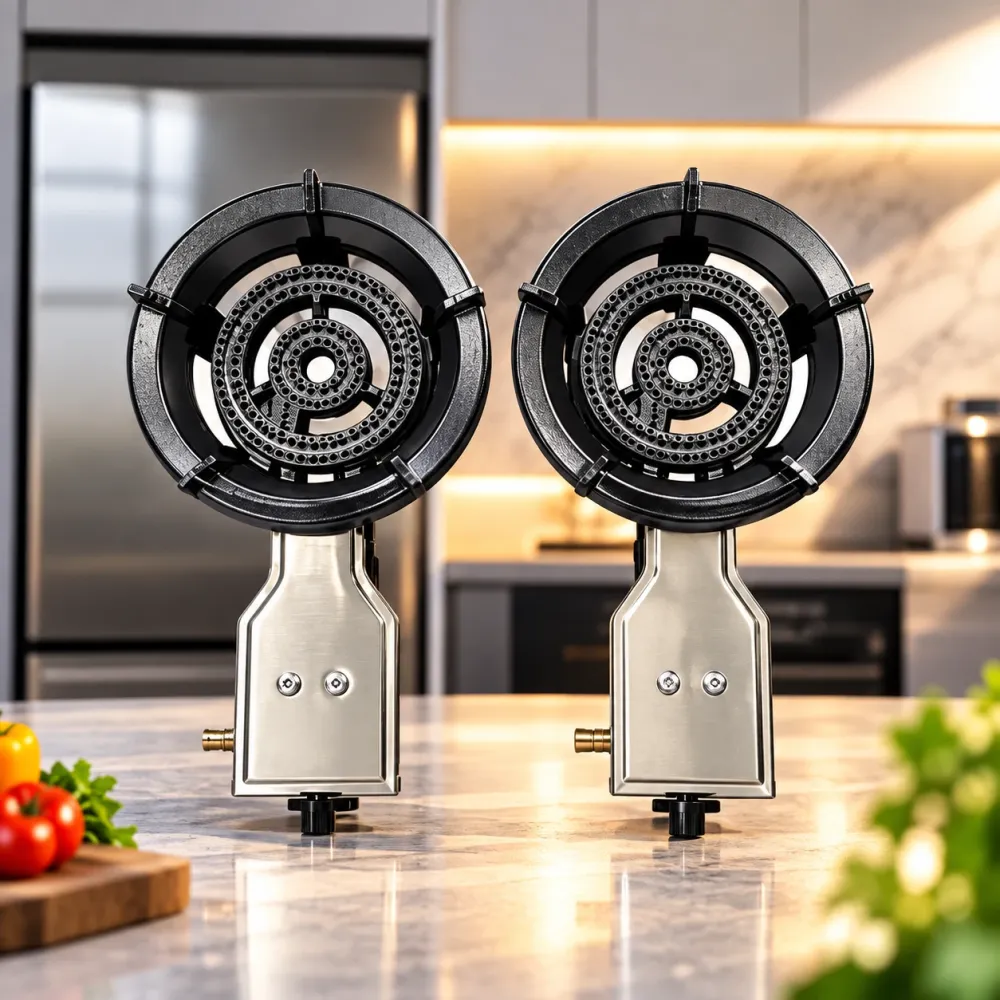
A high-pressure wok burner (known in Vietnam as a “bếp khè”) is a gas burner with a large burner head (usually cast iron) that produces a strong, concentrated flame, with a characteristic roar when the flame is high. It usually has a sturdy frame to hold heavy woks and pots, and comes in single-burner and double-burner versions or can be combined into a cooking range. See the VNG/BH001 cast-iron wok burner.
How to choose a wok burner for a restaurant
By dish: stir-frying over a fierce flame needs a burner head that concentrates the flame; stewing and simmering large pots needs an even flame that can be turned down to keep cooking for a long time.
By output: look at the gas consumption marked on the burner; the total output of all burners determines the gas supply and the regulator.
By pot and wok size: a sturdy pan support that fits the base of large pots.
Materials: a heat-resistant cast-iron burner head; a sturdy frame that is easy to clean.
Safety features: some burners have a safety valve that shuts off the gas if the flame goes out — these are preferable.
Choosing the gas supply and regulator
A wok burner uses much more gas than a household stove:
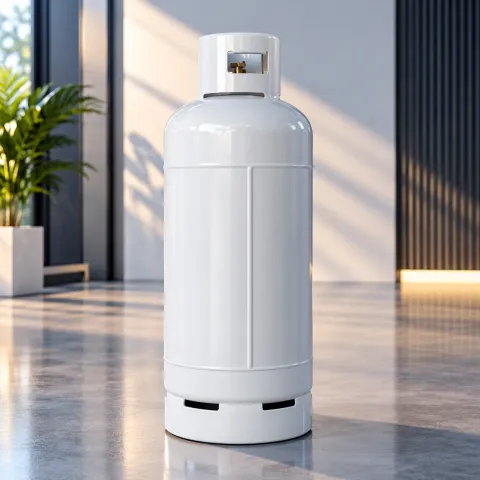
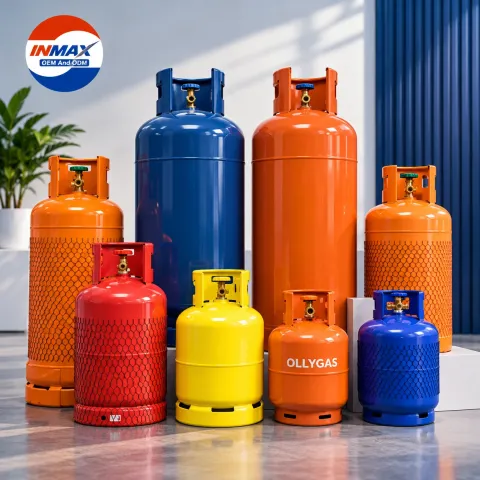
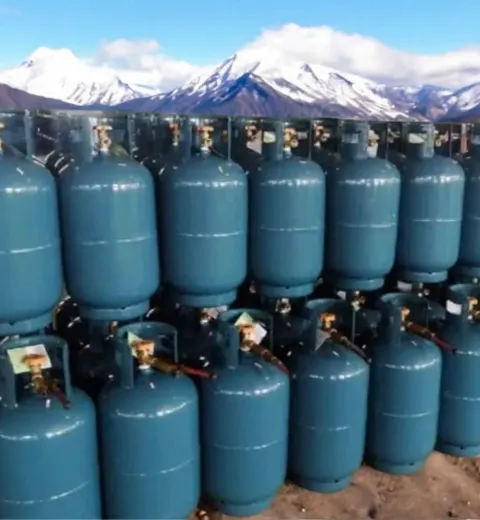
Gas supply: 45kg cylinders are commonly used; when several burners run at the same time, use a cylinder manifold so the gas can vaporise fast enough, avoiding frost on the cylinder and a weak flame.
Regulator: use one suited to commercial burners as instructed by the burner manufacturer, and of the right type for the cylinder valve — see POL and QCC valves. Do not use a household regulator for a wok burner.
Hoses and pipework: made specifically for gas and able to withstand the system’s working pressure.
Place the burner on a flat, solid, non-combustible surface, at the distance from walls and flammable materials given in the manufacturer’s instructions.
Provide good extraction and ventilation above the burner.
Keep the gas cylinders in a separate area, not right next to the burner.
Tighten all connections and test for leaks with soapy water before lighting for the first time.
It is best to have a qualified contractor install the gas system for a restaurant kitchen.
Operation and cleaning
Open the cylinder valve and main valve first, then open the burner valve and light it; turn off in the reverse order.
Never leave a burner on a high flame unattended.
Clean the burner head regularly: grease and food block the flame ports, making the flame red and uneven — see weak or red gas stove flame.
Check hoses and connections every week; replace them when they show signs of ageing.
Provide a fire extinguisher suitable for the kitchen and train staff in what to do if they smell gas.
Frequently asked questions
Can a wok burner run on a 12kg cylinder?
Yes, for a small burner used lightly; but a 12kg cylinder runs out quickly and gets cold when a high flame is kept going continuously. Restaurants should use 45kg cylinders or a cylinder manifold.
Why is my wok burner loud, with a red flame?
The roar is normal when the flame is high. A red or yellow flame that persists is usually caused by a dirty burner head or incorrect air adjustment — clean it and adjust it again.
How much gas does a wok burner use?
It depends on the burner’s output and how long it is lit; look at the consumption marked on the burner and calculate as explained in how long a 12kg gas cylinder lasts.
VietnhatGas supplies cast-iron wok burners, 45kg LPG cylinders and valves for dealers serving restaurants. Send a request on our quotation page.
Written by the VietnhatGas technical and sales team — a batch manufacturer of LPG cylinders. This content is for reference; regulations and standards may change, so please check the current texts.
A guide to restaurant gas cylinder installation for restaurants and commercial kitchens: 12kg or 45kg cylinders, where to place them, cylinder manifolds, regulators, piping, leak detectors and safe operating habits.
The process for filling LPG into cylinders at a filling plant: receiving and sorting cylinders, checking inspection dates, filling by weight, leak testing, sealing and dispatch.
Rules for storing LPG cylinders at dealers and filling stations: warehouse location, how to stack cylinders, separating full and empty ones, leak checks and fire safety.
Read article →
Need a volume quote?
Send us the capacity, quantity and brand printing requirements — VietnhatGas will reply with a batch quotation.