Storing LPG cylinders safely in a dealer’s warehouse: key rules
Rules for storing LPG cylinders at dealers and filling stations: warehouse location, how to stack cylinders, separating full and empty ones, leak checks and fire safety.
Read articleThe process for filling LPG into cylinders at a filling plant: receiving and sorting cylinders, checking inspection dates, filling by weight, leak testing, sealing and dispatch.
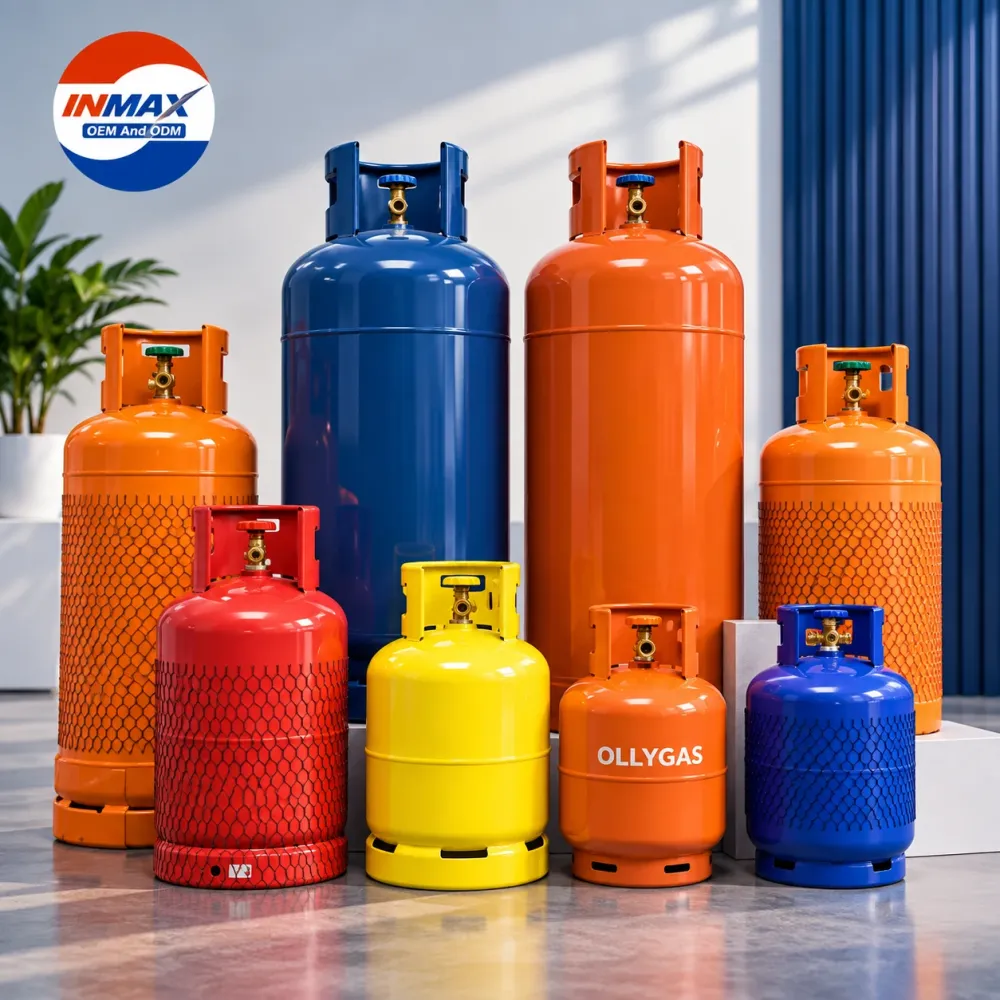
Every gas cylinder that reaches a user has passed through a filling plant. LPG cylinder filling is the stage where LPG is transferred from storage tanks into cylinders, and it must be carried out at a plant that meets the conditions set by gas trading regulations, with suitable equipment and trained staff. This article describes the main steps so dealers can understand why cylinder quality and the accompanying documents matter so much.
Cylinders returned from dealers to the plant are sorted by brand and capacity. A plant only fills cylinders of the brands it is permitted to fill; cylinders belonging to other traders are set aside separately.
Each cylinder is checked for dents, rust, scorching, cracked welds, the handle and foot ring, and the valve neck thread; the serial number and inspection date stamped on the cylinder are read. Damaged cylinders or those past their inspection date are taken out to be re-inspected, repaired or scrapped according to regulations.
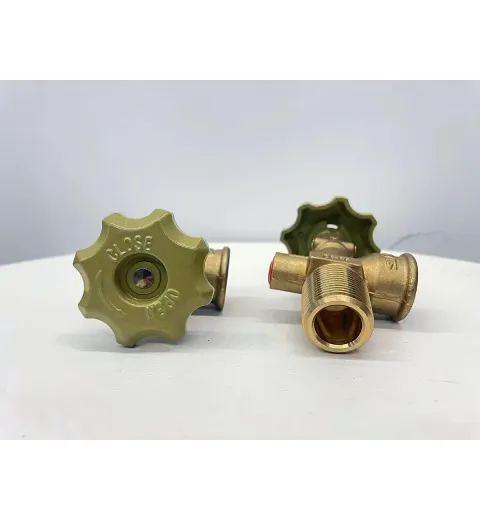
The valve is checked for tightness, the seal and the handwheel or clip-on coupling. A faulty valve must be replaced before filling. See LPG cylinder handwheel valve.
The cylinder is placed on a filling scale, the tare weight is deducted and exactly the nominal weight of gas is filled (for example 12kg or 45kg). LPG may only be filled up to the permitted level, always leaving vapour space at the top for the gas to expand as the temperature rises — overfilling is very dangerous.
After filling, the cylinder is weighed again; underfilled or overfilled cylinders are corrected. This is what allows users to trust that a 12kg cylinder really holds 12kg of gas — see how long a 12kg gas cylinder lasts.
The valve and cylinder neck are checked for leaks (usually with a foaming solution or dedicated equipment). Leaking cylinders are safely emptied of gas and sent for handling.
The valve is fitted with a cap and seal; the cylinder is labelled and tagged according to the brand’s requirements, then loaded onto vehicles in line with the rules for transporting dangerous goods.
Specific requirements are set out in current gas trading regulations and technical standards; filling plants should check against the latest versions.
Dented or rusty cylinders, poor valves or missing documents increase the rejection rate at the checking stage, slowing the line and adding cost. Cylinders that have been pressure tested one by one and carry a serial number and clear inspection records make checking faster and cylinder turnover more efficient.
Filling may only be carried out at a plant that meets the regulatory conditions. Dealers receive filled cylinders from the trader or filling plant they act as a dealer for.
Usually because the cylinder is past its inspection date, damaged, has a faulty valve or belongs to a brand the plant is not permitted to fill.
Yes. LPG expands considerably when warm, so cylinders are always filled below full, leaving vapour space at the top. Find out more in What is LPG?
VietnhatGas manufactures LPG cylinders in batches for filling plants and dealers, with full inspection documents. Send a request on our quotation page.
Written by the VietnhatGas technical and sales team — a batch manufacturer of LPG cylinders. This content is for reference; regulations and standards may change, so please check the current texts.
Rules for storing LPG cylinders at dealers and filling stations: warehouse location, how to stack cylinders, separating full and empty ones, leak checks and fire safety.
Read articleLPG cylinder traceability relies on the serial number and batch code stamped on the cylinder, the seal and the QR code. The benefits for dealers and users, and how to check a gas cylinder yourself before accepting it.
Read articleA comparison of POL and QCC valves on LPG cylinders: connection type, how the regulator is fitted, safety features, the markets that use them and how to choose the right valve when ordering cylinders in batches.
Read articleSend us the capacity, quantity and brand printing requirements — VietnhatGas will reply with a batch quotation.