12 kg LPG Cylinder
Details
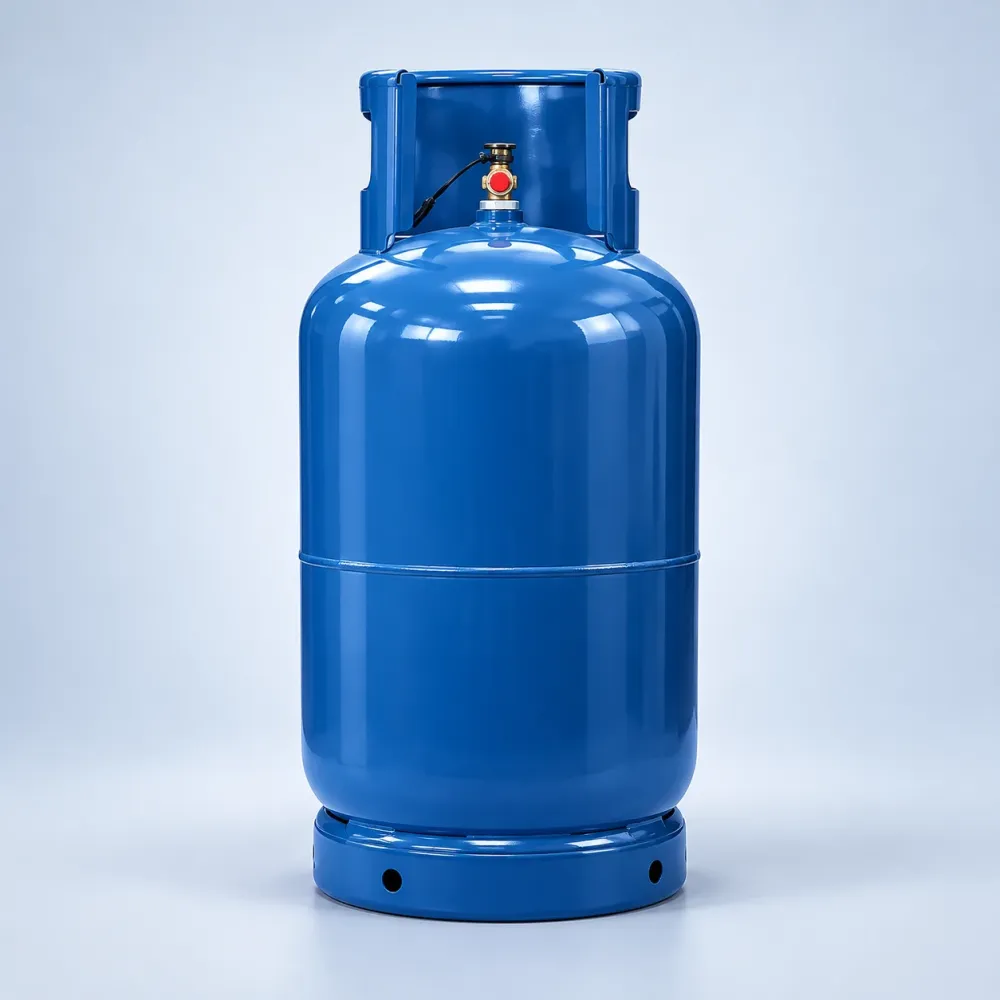
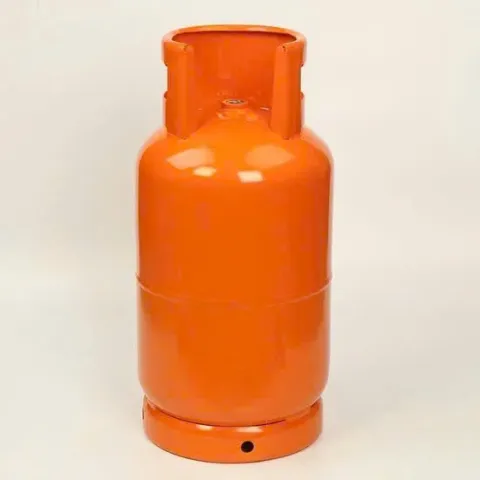
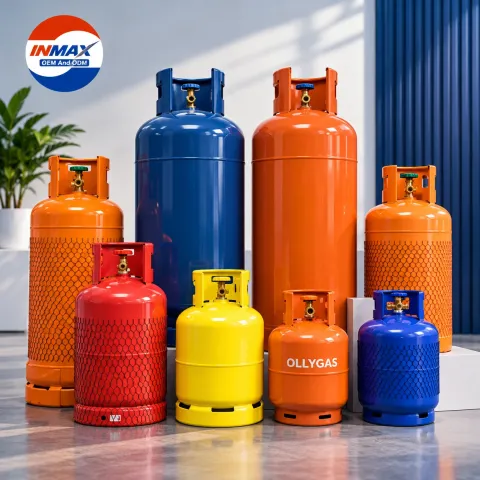
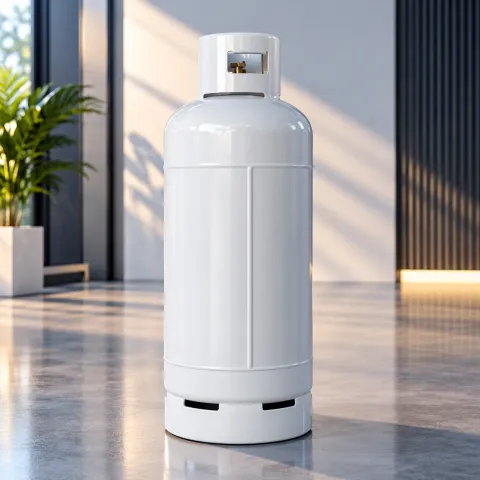
The 12 kg LPG cylinder (code GAS-001) is the LPG cylinder used by households and eateries, and the main circulating cylinder in gas dealer networks. VietnhatGas manufactures 12 kg cylinders in batches, painted and embossed with the private brand of dealers, gas filling stations and gas companies.
Technical specifications
| Item | Specification |
|---|
| Capacity | 12kg liquefied petroleum gas (LPG) |
| Tare weight | Approx. 13.5 – 15kg |
| Gross weight (cylinder + gas) | 25.5 – 27kg |
| Height | Approx. 60 – 62cm |
| Cylinder diameter | 30 – 32cm |
| Working pressure | 6 – 12 bar |
| Design pressure | Max. 17.5 bar |
| Material | Hot-rolled steel plate for pressure vessels, 2.0 – 3.0mm thick, automatic welding |
| Coating | Anti-rust powder coating |
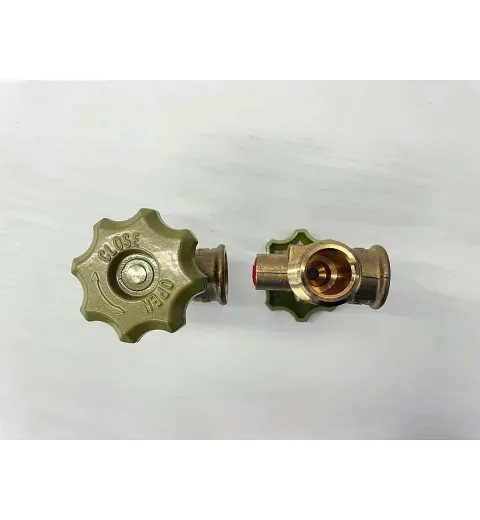
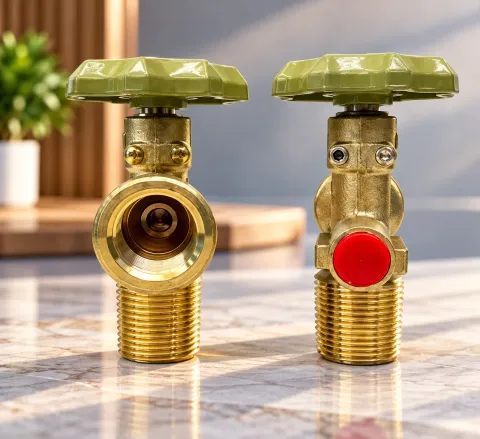
| Valve | POL or QCC (optional) |
| Standards | TCVN 6292:1997, ISO 22991 |
| Identification | Serial number and inspection date stamped on the cylinder neck |
7 control steps in production
1. Incoming steel inspection
The raw material is hot-rolled steel plate (SPHC, Q235 or equivalent carbon steel) from suppliers providing CO and CQ documents. Each steel batch is checked for thickness, tensile strength, yield strength, elongation and chemical composition (C, Mn, Si) using spectrometry equipment.
2. Blank cutting and press forming
The steel is cut into blanks for the body, top head, bottom head and neck. The body is rolled into a cylinder on a rolling machine; the hemispherical or elliptical top and bottom heads are pressed on a hydraulic press.
3. Automatic welding
The longitudinal body seam uses submerged arc welding (SAW); the circumferential seams joining the heads to the body use automatic SAW or MIG welding. Welds are inspected by ultrasonic testing (UT) or industrial X-ray to detect porosity, cracks and slag inclusions. The neck is welded to the top head, after which the neck area is heated to approx. 600 – 650°C to relieve residual welding stress.
4. Pressure test and leak test
Hydrostatic test: the cylinder is filled with water at a test pressure of approx. 30 – 35 bar and held for 30 – 60 seconds; it must show no leakage, bulging or deformation. Leak test: the cylinder is filled with air and soapy water is applied around the welds, neck and valve thread; any cylinder showing bubbles is rejected or sent for repair.
5. Surface cleaning and powder coating
The surface is sandblasted or shot-blasted to remove rust, grease and mill scale; this is followed by an anti-rust primer (epoxy or alkyd), powder coating in the required color, and curing in an oven at 180 – 220°C so the coating adheres firmly and develops its gloss.
6. Embossing and information printing
The cylinder body is embossed with the manufacturer's name, nominal capacity, working pressure and test pressure, manufacturing date, batch code and serial number. Logo, safety warnings and instructions are printed to the partner's design; inspection labels, seal labels, anti-counterfeit labels or traceability QR codes are added on request.
7. Valve fitting, final inspection and packing
Cylinders are fitted with POL or QCC valves; for OEM orders of bare cylinders, partners can fit the valves themselves later. The QC department checks coating uniformity, adhesion and thickness (per ASTM D1186), valve neck concentricity, and cylinder diameter and weight. The cylinders are then fitted with valve protection caps, wrapped in plastic or PE film, and stacked on wooden pallets or steel frames depending on the shipping method.
Inspection records with every batch
Each batch of cylinders leaves the factory with an inspection certificate, a factory inspection sheet and CO, CQ documents. Together with the serial number and batch code embossed on the body, these records allow partners to trace the origin of each cylinder in circulation and when it is due for periodic re-inspection.
Applications and cooperation models
The 12 kg cylinder is the circulating cylinder of gas dealers, serving households, eateries and small to medium kitchens; its standard size makes it convenient to load onto vehicles and store in warehouses. High-consumption industrial kitchens should consider the 45 kg LPG cylinder.
With more than 20 years of private-label manufacturing, VietnhatGas produces 12 kg cylinders on an OEM basis (your own specifications), ODM (a VietnhatGas design with the partner's brand) or OBM (distribution of the VietnhatGas brand). Paint color, logo, embossing content, valve type and packing are agreed before the batch is run. Details at LPG cylinder manufacturing services.
Frequently asked questions
Should I choose a POL or QCC valve?
It depends on the connection system used in your market and your filling equipment. Tell us your sales region and the common regulator type, and VietnhatGas will recommend the right valve.
Do you accept orders for cylinders without valves fitted?
OEM orders for bare cylinders, with the partner fitting the valves themselves, can be discussed; specific terms are set out in the contract.
What is the minimum order quantity and delivery time?
Minimum order quantity and delivery schedule are quoted per order, depending on paint color, embossing content and quantity per batch.
Send us the quantity, paint color, logo and valve type via our quotation form, or call our hotline 1900 4656.