Weak gas stove flame or red flame: causes and safe fixes
A weak gas stove flame, a red or yellow flame or uneven burning can be caused by a nearly empty cylinder, the regulator, the hose, dirty burners or incorrect air adjustment. How to check each cause and when to call a technician.
VietnhatGas · · 4 min read
A proper gas flame is blue, burns evenly around the burner and leaves no soot. When you have a weak gas stove flame, a red or yellow flame, or a flame that keeps rising and falling, cooking takes longer and uses more gas — and in some cases it is also a sign of a safety problem. This article lists the common causes, starting with the easiest to check, along with how to fix them.
What does the flame colour tell you?
Blue, compact flame burning evenly: the gas is burning well with enough air.
Yellow or red flame, with black soot under the pan: the gas is burning without enough air — this wastes gas and can produce toxic CO. Deal with it promptly.
Small, weak flame even when turned up: not enough gas is reaching the burner.
Flame rising high, “lifting” off the burner or going out when turned up: too much air or unstable pressure.
The occasional brief red or orange flicker when dust, salt or cooking oil falls into the flame is normal; it is only a concern when the flame stays red or yellow.
Causes of a weak gas stove flame and how to fix them
1. The gas cylinder is nearly empty
This is the most common cause. Weigh the cylinder to find out how much gas is left — see how long a 12kg gas cylinder lasts. If it is nearly empty, change the cylinder; do not shake or heat it.
2. The cylinder gets cold or frosts over during long cooking
As liquid gas evaporates it absorbs heat, cooling the cylinder, lowering the pressure and gradually weakening the flame — this often happens with continuous cooking on a high flame or in cold weather. Do not stand the cylinder in hot water or heat it with a flame. If it happens often, your stove is drawing more than one cylinder can supply: you need a larger cylinder or additional cylinders connected.
3. The regulator is faulty or unsuitable
A regulator that is stuck, leaking or the wrong type (for example, a household regulator on a commercial stove) does not let enough gas through. Check that the regulator fits the cylinder valve properly, and listen and smell for any hissing or gas odour. Replace the regulator as recommended by the manufacturer or whenever it shows signs of a problem.
4. The gas hose is kinked, twisted or worn
A hose that is crushed, sharply bent, or hardened and cracked inside reduces gas flow. Straighten the hose, replace a worn hose with a new one of the correct type for gas, and check for leaks after fitting — see how to check for gas leaks.
5. Dirty or blocked burners
Spilt soup, grease and food can block the flame ports on the burner, so the flame is uneven, with gaps in places. Turn off the valve, let the stove cool, remove the burner and wash it with warm water and a soft brush, clear the ports with a small toothpick, dry it completely and refit it in the correct position.
6. The air shutter is not set correctly
Many stoves have an air adjustment ring on the tube leading to the burner. Too little air gives a yellow or red, sooty flame; too much air makes the flame lift and go out easily. Air adjustment should be done following the stove maker’s instructions or by a technician.
What you must never do
Never heat the cylinder, stand it in hot water, tilt it or lay it on its side to “squeeze out” the last of the gas.
Never remove or adjust the cylinder valve or safety valve yourself.
Never use a lighter to test for leaks.
Do not keep cooking with a persistent yellow flame in an enclosed kitchen — open up for ventilation and fix the problem first.
When should you call a technician or your gas dealer?
Call your dealer or a technician if the flame is still weak after changing the cylinder, replacing the hose and cleaning the burners; if you smell gas; if the regulator is hissing; or if you suspect the cylinder was underfilled or the gas is substandard. If there is a fire or a strong smell of gas, leave the area and call the fire service on 114.
Frequently asked questions
Is a red gas stove flame dangerous?
A flame that stays red or yellow shows that the gas is not burning completely, which can produce CO and blacken your pans. Ventilate the area and find the cause promptly.
Why is the flame still weak after changing the cylinder?
Check that the regulator is fitted correctly and fully open, that the hose is not kinked and that the burners are not blocked. If it is still weak, contact your dealer to check the cylinder and valve.
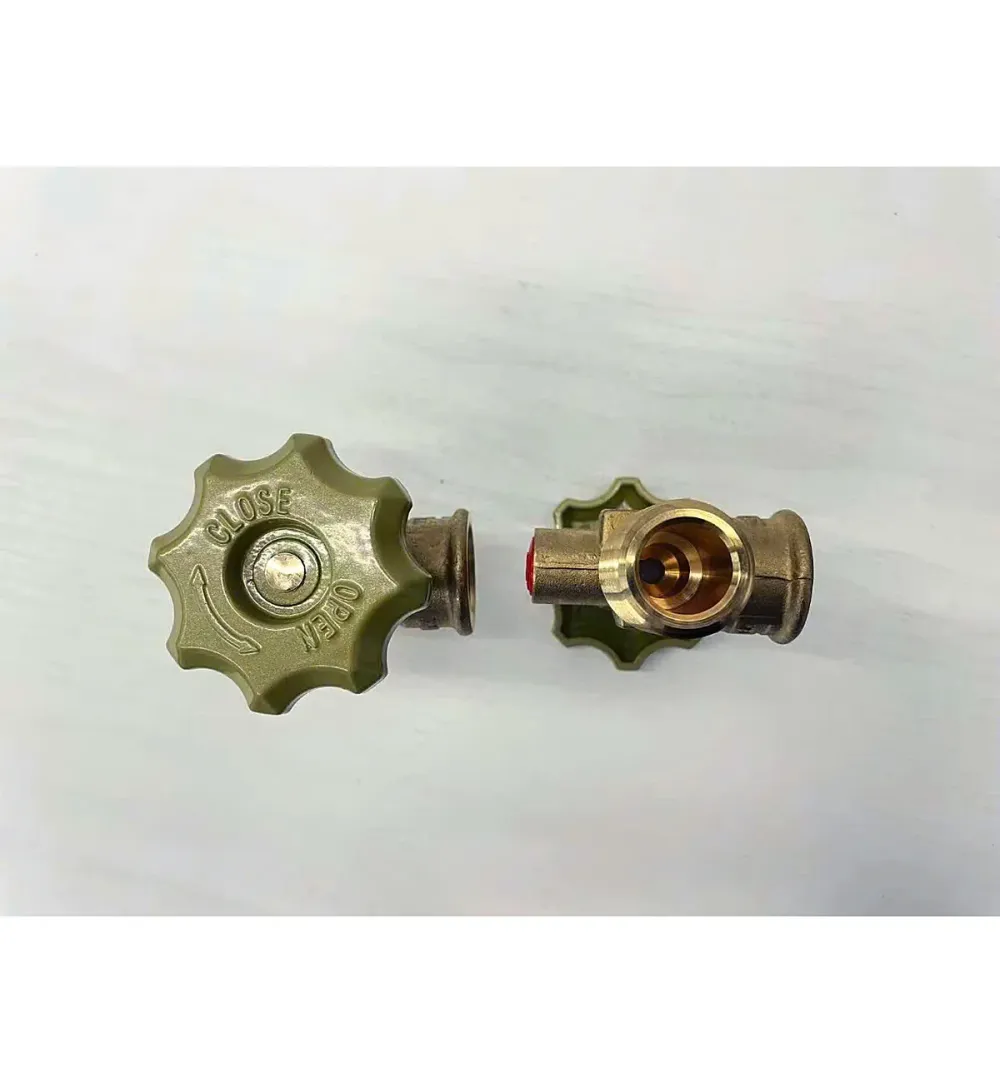
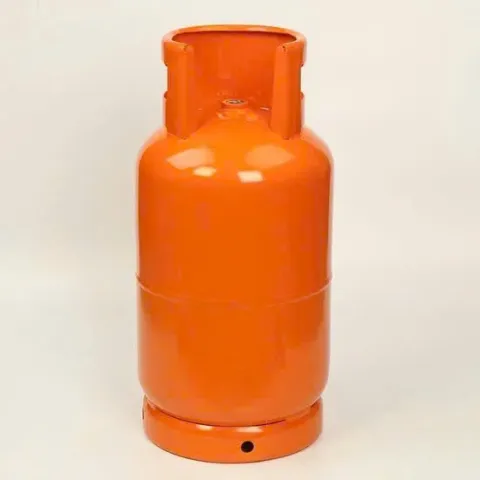
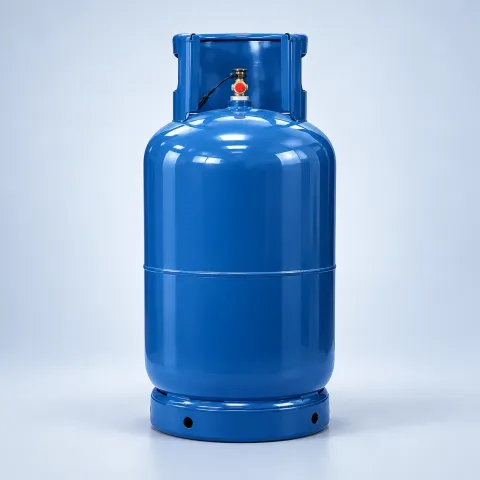
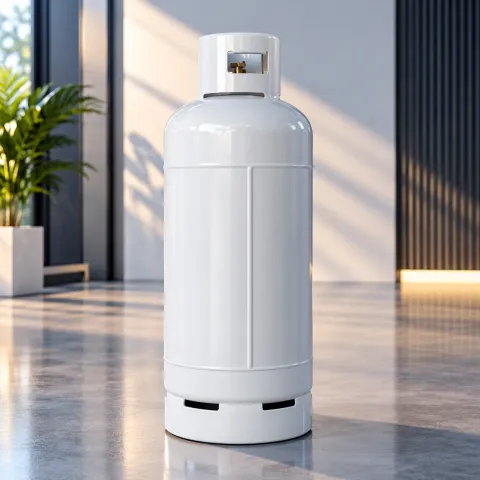
Compliant cylinders and valves are the foundation of a steady flame. VietnhatGas supplies LPG cylinders and valves in batches to dealers — send a request on our quotation page.
Written by the VietnhatGas technical and sales team — a batch manufacturer of LPG cylinders. This content is for reference; regulations and standards may change, so please check the current texts.
A comparison of steel and composite gas cylinders covering construction, weight, durability, cost, inspection and how common each is in Vietnam, to help dealers choose the right type of cylinder.
How long a 12kg gas cylinder lasts depends on the stove’s output and your cooking time. How to estimate your own gas use, how to tell a cylinder is running low by weighing it and tips for saving gas when cooking.
A guide to restaurant gas cylinder installation for restaurants and commercial kitchens: 12kg or 45kg cylinders, where to place them, cylinder manifolds, regulators, piping, leak detectors and safe operating habits.
Read article →
Need a volume quote?
Send us the capacity, quantity and brand printing requirements — VietnhatGas will reply with a batch quotation.