How long does a 12kg gas cylinder last? How to work it out and gas-saving tips
How long a 12kg gas cylinder lasts depends on the stove’s output and your cooking time. How to estimate your own gas use, how to tell a cylinder is running low by weighing it and tips for saving gas when cooking.
VietnhatGas · · 4 min read
“How long does a 12kg gas cylinder last?” is a question gas dealers hear every day. There is no single figure for every household, because it depends on the stove’s output, the number of cooking hours and your cooking habits. This article shows how to estimate it yourself, how to tell when a cylinder is running low and a few tips to make each cylinder last longer.
How much gas does a 12kg cylinder hold?
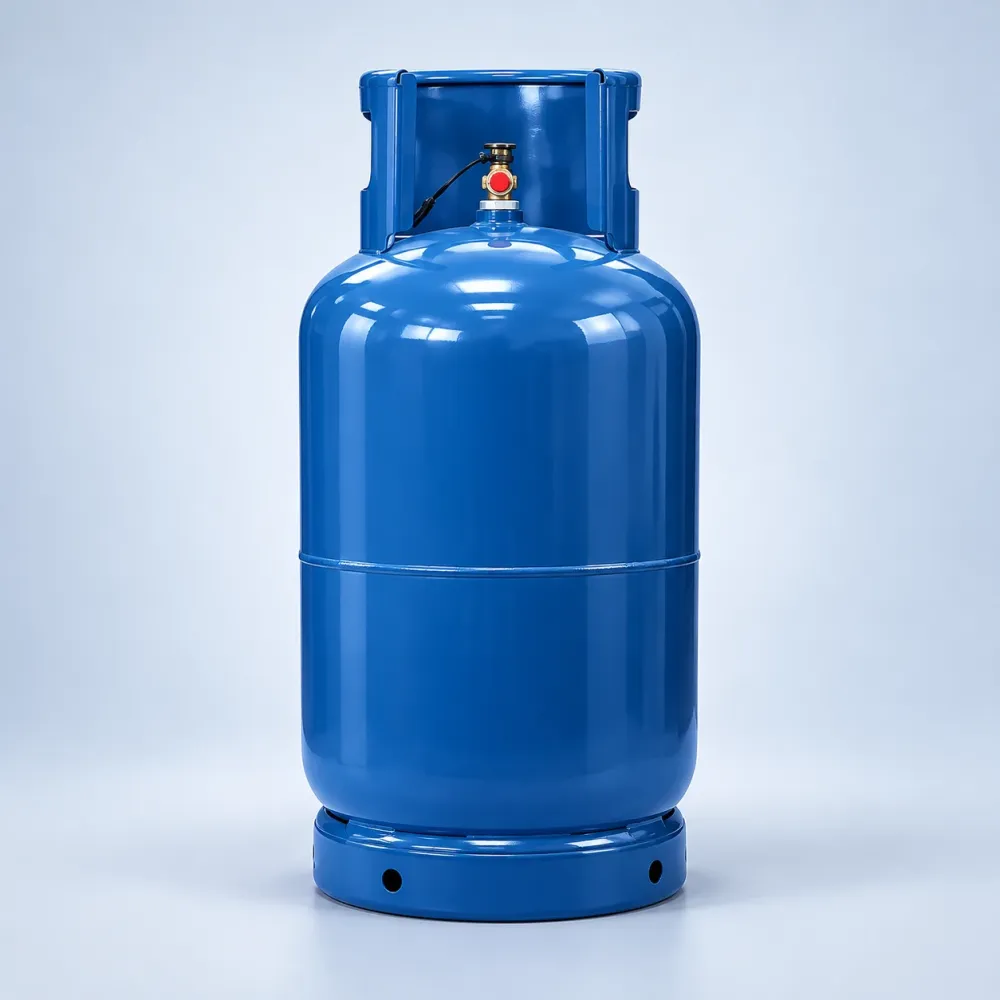
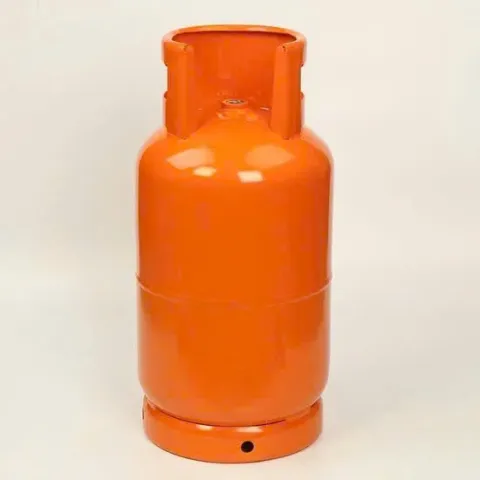
The 12kg figure is the weight of gas filled into the cylinder, not including the cylinder itself. The empty cylinder has its own weight (the tare weight is usually stamped or marked on the body or neck), so a full cylinder weighed as a whole is much heavier than 12kg. Gas is filled as a liquid and a space is always left at the top for the gas to expand — which is why you can still hear liquid when you shake a full cylinder.
How to work out how long a 12kg gas cylinder lasts
You need two pieces of information: how much gas the stove uses per hour and how many hours you cook each day.
Check the stove’s specifications: many stoves state their gas consumption (g/h or kg/h) or output (kW) on the label underneath or in the manual. If only the output is given, you can estimate: 1kg of LPG gives about 12 – 13 kWh of heat, so a 3 kW burner on full flame uses about 0.23 kg of gas per hour.
Estimate your actual cooking time: add up how long each burner is on during the day; medium and low flames use less gas than a high flame.
Work out the number of days: 12 ÷ (gas used per hour × cooking hours per day).
Example for illustration: a family cooks for about 1.5 hours a day in total, at a medium flame using about 0.15 kg/h → about 0.23kg of gas per day → a 12kg cylinder lasts about 50 days. Families who cook a lot, boil water or simmer bone broth often will run out sooner. This is only an estimate; the real figure depends on each household’s stove and cooking style.
How to tell a gas cylinder is running low
Weigh the cylinder: subtract the tare weight marked on the cylinder from the total weight to find how much gas is left. This is the most accurate method.
The flame gets weaker even with the valve turned up — see causes of a weak gas stove flame, as a weak flame is not always caused by running out of gas.
Note the date you change cylinders: after a few changes, you will know how long one cylinder lasts in your home and can order gas before it runs out.
Do not tilt, shake hard or heat the cylinder to “squeeze out” the last of the gas — this is a dangerous habit.
Gas-saving cooking tips
Match the flame to the pan base: flames spilling up the sides of the pan only heat the air.
Cover the pot while cooking, and use a pressure cooker for stews and slow-cooked dishes.
Dry the bottom of the pot before putting it on the stove; finish your preparation before lighting the burner.
Clean the burners regularly so the flame stays blue and burns evenly.
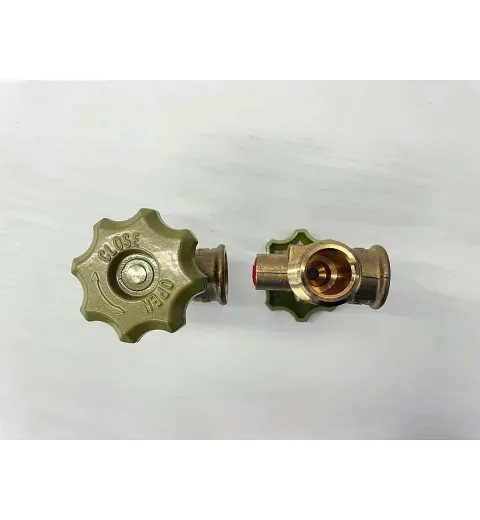
Check for leaks at the valve and hose — leaking gas is both dangerous and empties the cylinder faster. See how to check for gas leaks at home.
When should you switch to a 45kg cylinder?
Eateries and kitchens with several burners running at once often have to change 12kg cylinders constantly; in that case, a 45kg cylinder or a cylinder manifold gives a steadier gas supply. See the detailed comparison in 12kg vs 45kg LPG cylinders.
Frequently asked questions
How much does a full 12kg gas cylinder weigh?
12kg of gas plus the tare weight of the cylinder. Tare weight varies by cylinder model and manufacturer; check the figure marked on the cylinder itself.
Why did a newly changed cylinder run out so quickly?
It may be because you cooked more than usual, the flame was set too high, there is a leak at the hose or valve, or the cylinder was underfilled. Weigh the cylinder when you receive it and check for leaks.
Does gas go off if it is kept in the cylinder for a long time?
LPG in a sealed cylinder with the valve closed and stored properly does not “go off” over time; what matters is that the cylinder is still within its inspection date and the valve does not leak.
VietnhatGas manufactures 12kg LPG cylinders in batches for dealers, with full inspection documents. Need a quote? Send a request on our quotation page.
Written by the VietnhatGas technical and sales team — a batch manufacturer of LPG cylinders. This content is for reference; regulations and standards may change, so please check the current texts.
A comparison of steel and composite gas cylinders covering construction, weight, durability, cost, inspection and how common each is in Vietnam, to help dealers choose the right type of cylinder.
A weak gas stove flame, a red or yellow flame or uneven burning can be caused by a nearly empty cylinder, the regulator, the hose, dirty burners or incorrect air adjustment. How to check each cause and when to call a technician.
A guide to restaurant gas cylinder installation for restaurants and commercial kitchens: 12kg or 45kg cylinders, where to place them, cylinder manifolds, regulators, piping, leak detectors and safe operating habits.
Read article →
Need a volume quote?
Send us the capacity, quantity and brand printing requirements — VietnhatGas will reply with a batch quotation.