12kg vs 45kg LPG cylinders: which should a dealer stock?
A comparison of 12kg and 45kg LPG cylinders by customer type, specifications, cylinder turnover and shipping cost — to help dealers and filling stations plan their stock mix.
VietnhatGas · · Updated · 4 min read
For an LPG dealer or filling station, 12kg and 45kg LPG cylinders make up most of the cylinders in circulation. Getting the ratio between the two wrong is a common reason capital ends up tied up in idle cylinders: run short of one size and you turn customers away; overstock the other and it sits in the warehouse for a month. This article compares the two sizes on the criteria dealers actually need when planning orders.
Different customers
12kg cylinders serve households, small eateries and shops — customers who use one cylinder for a few weeks to over a month. This is a large group that swaps cylinders regularly and cares about fast delivery. 45kg cylinders serve industrial kitchens, restaurants, canteens and factories — fewer customers, but each one consumes a lot and usually signs a regular supply contract.
So the question “which size should I stock” is really “how many households and how many commercial kitchens are in my area”. Dealers in residential areas should keep mostly 12kg cylinders; dealers near industrial parks, wholesale markets or restaurant chains need a higher share of 45kg.
Specifications compared
Specification
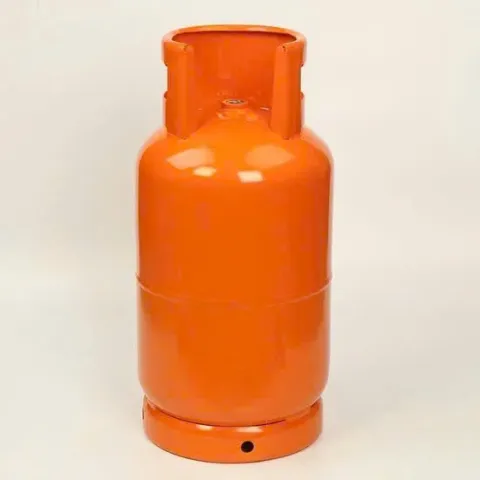
12kg LPG cylinder
45kg LPG cylinder
Capacity
12kg LPG
45kg LPG
Tare weight
About 13.5 – 15kg
About 38 – 42kg
Full weight
25.5 – 27kg
82 – 87kg
Height
About 60 – 62cm
About 120 – 125cm
Diameter
30 – 32cm
36 – 38cm
Steel thickness
2.0 – 3.0mm
From 3.0mm
Working / design pressure
6 – 12 bar / max. 17.5 bar
6 – 12 bar / max. 17.5 bar
Both sizes follow TCVN 6292:1997 (Vietnam’s standard for refillable welded steel LPG cylinders), with automatic welding and a pressure test on every cylinder. The biggest practical difference for a dealer is the full weight: one person can deliver a 12kg cylinder by motorbike, while a 45kg cylinder needs a small truck or cart and usually two people to load and unload.
Cylinder turnover and how many you need
Every cylinder at a customer’s premises is a cylinder that is not in your warehouse. To avoid shortages, count three parts: cylinders at customers, cylinders away for refilling at the filling station, and spare cylinders in stock. A simple estimate:
Count your regular customers for each size.
Multiply by 1 (each customer holds one cylinder in use) — for 45kg customers who rotate two cylinders, multiply by 2.
Add the cylinders out for refilling during one delivery cycle with the filling station.
Add 10 – 20% spare for the peak season and for cylinders withdrawn for inspection.
45kg cylinders turn over more slowly but each one is worth much more, so plan the spare quantity against actual contracts rather than overstocking.
Shipping and storage costs
12kg cylinders stack in several layers on a pallet, so one truck carries a large quantity. 45kg cylinders are nearly twice as tall and almost three times as heavy, taking up more warehouse space and truck payload. When ordering a new batch from the manufacturer, combine both sizes to fill the truck’s payload and keep freight costs down — VietnhatGas delivers in batches and quotes transport per shipment; see our delivery policy.
Valves: choose by market
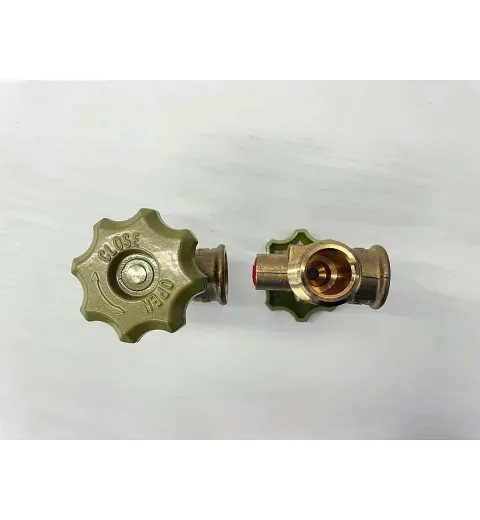
Both sizes can be fitted with POL or QCC valves. Choose the valve type most common in your sales area and matching the regulators your customers already use, so they do not have to change hoses or regulators when they switch to your cylinders. Dealers can also order cylinders without valves and buy LPG cylinder valves as a separate batch.
Suggested mix for a new dealer
Residential dealers: mostly 12kg cylinders, with a small number of 45kg for local eateries.
Dealers near industrial parks or markets: increase the 45kg share according to the commercial kitchen contracts you already have.
Filling stations: keep enough of both sizes for the monthly filling volume of each.
The best ratio is always one based on your real customer list. Starting small, tracking turnover for 2 – 3 months and then ordering a top-up batch is safer than ordering too much at once.
Frequently asked questions
Can 12kg and 45kg cylinders use the same valve type?
Yes, they can use the same valve type (POL or QCC) if your customers use the same kind of regulator. When ordering, state the valve type for each size so the factory fits the right one.
Can I order 12kg and 45kg cylinders in the same batch?
Yes. Many dealers combine both sizes in one order to make full use of the truck’s payload. The minimum quantity for each size is stated in the quotation.
Can 45kg cylinders carry my own brand like 12kg ones?
Yes. Both sizes can be painted, embossed and printed with the dealer’s or company’s identity — see our OEM · ODM · OBM cooperation models.
Need a quotation by quantity for each size? Send us the capacity, quantity and branding requirements on our quotation page and our sales team will call you back to confirm the specifications.
Written by the VietnhatGas technical and sales team — a batch manufacturer of LPG cylinders. This content is for reference; regulations and standards may change, so please check the current texts.
A comparison of steel and composite gas cylinders covering construction, weight, durability, cost, inspection and how common each is in Vietnam, to help dealers choose the right type of cylinder.
A weak gas stove flame, a red or yellow flame or uneven burning can be caused by a nearly empty cylinder, the regulator, the hose, dirty burners or incorrect air adjustment. How to check each cause and when to call a technician.
How long a 12kg gas cylinder lasts depends on the stove’s output and your cooking time. How to estimate your own gas use, how to tell a cylinder is running low by weighing it and tips for saving gas when cooking.
Read article →
Need a volume quote?
Send us the capacity, quantity and brand printing requirements — VietnhatGas will reply with a batch quotation.