How to check for gas leaks at home and respond safely
Signs of a gas leak, how to test the valve, hose and regulator with soapy water, and the safe steps to take when you find a gas leak at home.
VietnhatGas · · 4 min read
Most household gas incidents start with a small leak at the valve, hose or a connection that nobody noticed. Learning to check for gas leaks takes only a few minutes and a bowl of soapy water, and it should become a habit every time you change a cylinder. This article explains how to spot a leak, how to check for one and what to do immediately when you find it.
Signs of a gas leak
Smell of gas: household gas contains a distinctive odorant (like rotten eggs or spoiled cabbage) so leaks are easy to notice. Smelling it while the stove is off is the clearest sign.
A faint hissing sound around the cylinder valve, regulator or hose connections.
Frost or unusual cold at a joint when the leak is large — evaporating gas cools the surface.
The cylinder runs out faster than usual even though you cook as normal.
An abnormal flame: a red, uneven flame or flames at a connection instead of the burner.
LPG is heavier than air, so leaked gas tends to collect near the floor, in kitchen cabinets and under the stove — get down low when checking for the smell.
Testing for leaks with soapy water
This is a simple, safe and widely recommended method. Prepare water mixed with soap or dishwashing liquid so it foams, and a brush or sponge.
Turn off every flame in the kitchen and make sure no one is smoking.
Open the cylinder valve (stove still off) so the hose is under pressure.
Brush soapy water over the cylinder valve, the regulator connection, both ends of the hose, along the hose and the connection to the stove.
Watch for 1 – 2 minutes: wherever bubbles keep forming and growing is the leak.
Close the cylinder valve after checking and wipe the areas dry.
Never test with a lighter, a match or a flame — this is the most common cause of fires and explosions.
Checking the hose and regulator
Rubber hoses age with time and heat: they harden, crack, bulge or get chewed by rodents. If you see cracks when you bend the hose gently, or the hose has been used for many years, replace it with a new hose rated for gas and tighten it with a hose clamp. A leaking, hissing or sticking regulator should also be replaced. Follow the hose and regulator manufacturer’s recommendations for replacement intervals.
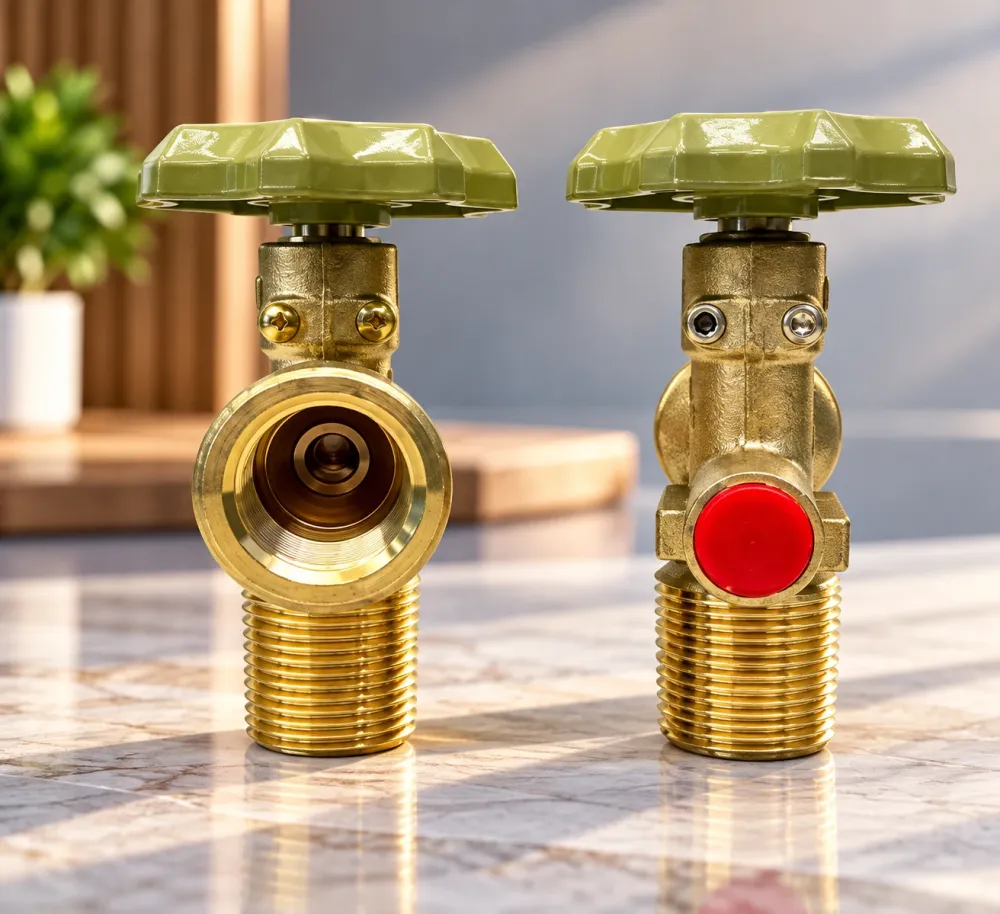
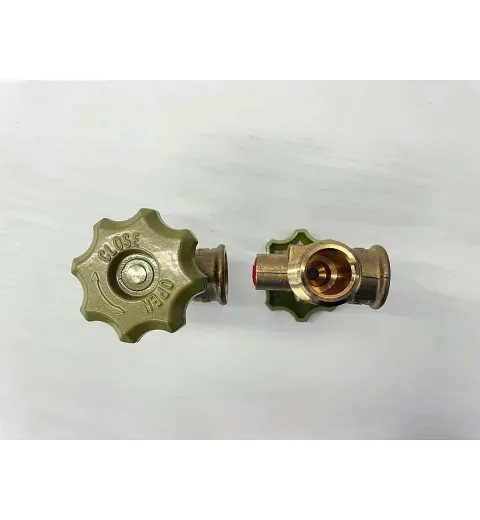
When changing cylinders, also check the rubber seal at the valve outlet: a missing, torn or deformed seal is a very common cause of leaks. Compliant cylinders and cylinder valves reduce the risk from the start — see how to tell a compliant LPG cylinder.
What to do when you find a gas leak
Do not switch any electrical device on or off (lights, fans, extractor hood) and do not unplug anything — an electrical spark can ignite the gas.
Close the cylinder valve immediately if you can reach it safely.
Open doors and windows to let the gas out; do not use electric fans.
Get everyone outside and do not use phones in the area that smells of gas.
Call your gas dealer or a technician to inspect; if there is a fire or a very strong smell, call the fire service — 114 in Vietnam.
Only use the stove again once the leak has been found and fixed and you have re-checked with soapy water.
Habits that prevent gas leaks
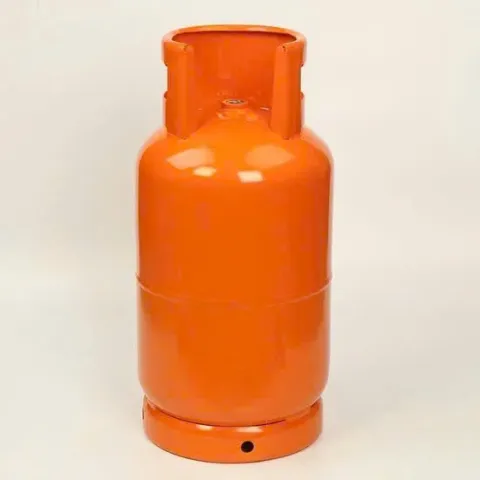
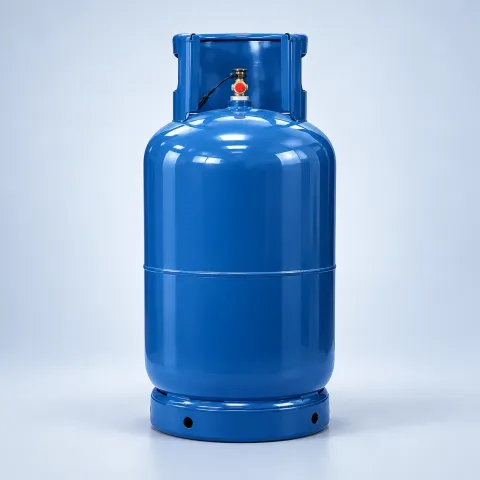
Keep the cylinder upright in a ventilated place, away from the stove and heat sources; do not keep it in a closed cabinet.
Close the cylinder valve after cooking, especially when going out or going to bed.
Check with soapy water every time you change a cylinder.
Consider installing a gas leak detector low down near the stove.
What if I smell a little gas but cannot find the leak?
Close the cylinder valve, ventilate the room, then check all connections again with soapy water. If you still cannot find it and the smell remains, stop using the stove and call your gas dealer to inspect.
How often should I check for gas leaks?
Check every time you change a cylinder and whenever you smell gas. Inspect the hose and regulator regularly and replace them when they show signs of ageing.
Can I replace a gas hose myself?
Yes, if you use a hose rated for gas and a suitable clamp, and check again with soapy water after fitting. If you are unsure, ask your gas dealer’s staff to install it.
Dealers and filling stations who need compliant cylinders and valves with complete inspection records: browse our LPG cylinders and valves or send a request on our quotation page.
Written by the VietnhatGas technical and sales team — a batch manufacturer of LPG cylinders. This content is for reference; regulations and standards may change, so please check the current texts.
A comparison of steel and composite gas cylinders covering construction, weight, durability, cost, inspection and how common each is in Vietnam, to help dealers choose the right type of cylinder.
A weak gas stove flame, a red or yellow flame or uneven burning can be caused by a nearly empty cylinder, the regulator, the hose, dirty burners or incorrect air adjustment. How to check each cause and when to call a technician.
How long a 12kg gas cylinder lasts depends on the stove’s output and your cooking time. How to estimate your own gas use, how to tell a cylinder is running low by weighing it and tips for saving gas when cooking.
Read article →
Need a volume quote?
Send us the capacity, quantity and brand printing requirements — VietnhatGas will reply with a batch quotation.