How to tell a compliant LPG cylinder: 7 quick checks
Seven checks for dealers and users to spot a compliant LPG cylinder: stamped data, welds, body, paint, valve, tare weight and the records that come with it.
VietnhatGas · · Updated · 3 min read
An LPG cylinder holds pressure for many years, so its quality directly affects users’ safety and the dealer’s reputation. Without special tools, the 7 checks below let dealers and users identify a compliant LPG cylinder and reject cylinders that show warning signs.
1. Clear, complete stamped data
A compliant cylinder has data stamped on the collar or handle: the manufacturer’s name or mark, serial number, tare weight, capacity, test pressure, month and year of manufacture, and inspection date. The characters must be sharp, not ground off, re-punched or hidden under paint. A cylinder without a serial number or with erased data should be rejected immediately.
2. Within its inspection period
Cylinders in circulation must be periodically re-inspected according to the regulation; the latest inspection date is shown on the cylinder. A cylinder past its inspection date must not be filled until it is re-inspected. New batches come with inspection records from the manufacturer — see LPG cylinder inspection records.
3. Even welds without porosity
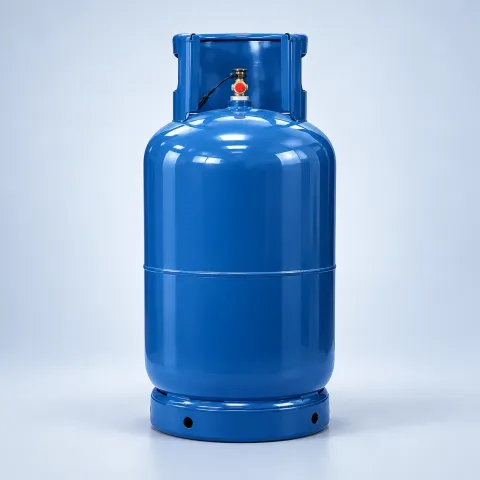
A steel cylinder is welded from two body halves (plus the collar, foot ring and handle). A good weld runs evenly around the body with a continuous surface — no pores, no cracks, no overlapping repair beads. Cylinders showing manual weld repairs on the body should not be used.
4. No dents, bulges or deep rust on the body
Dents: impact dents change the wall thickness and pressure resistance of the cylinder.
Bulges: an abnormally swollen body is a sign the cylinder was over-pressurised or overheated — remove it from use immediately.
Deep rust: rust eating into patches or flaking down to the steel, especially on the foot ring and around welds.
Light scratches in the paint do not affect pressure resistance, but should be touched up to stop rust spreading.
5. Even, well-bonded paint
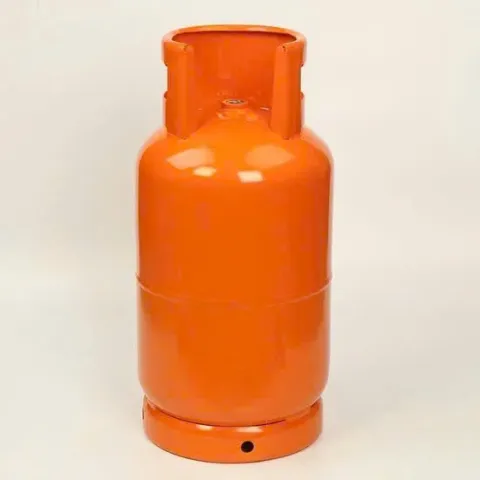
A quality cylinder is surface-cleaned before powder coating, so the paint is uniform in colour and well bonded, with no blistering or peeling. Good paint protects the steel from rust throughout outdoor circulation and handling. For private-label cylinders, consistent colour between batches is also a sign the manufacturer controls its process well.
6. Correct valve type, leak-tight, with a protective cap
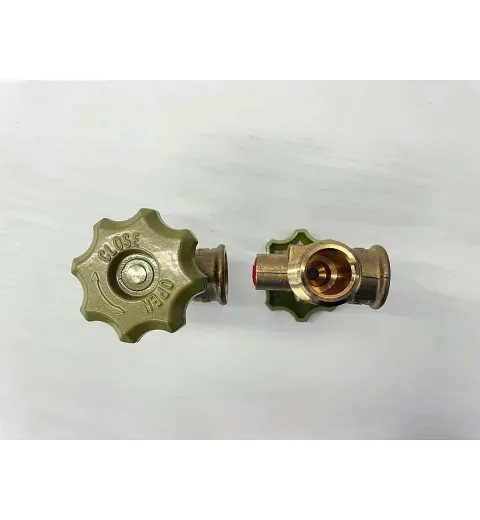
The valve is the part customers handle every day. Check that it is the right type (POL or QCC) for the customer’s regulator, that the thread and seal are undamaged, and that there is a protective cap for transport. After filling, test for leaks around the valve with soapy water — never use a flame. See also our LPG cylinder valves.
7. Tare weight matches the marking
Weigh the empty cylinder and compare it with the stamped tare weight. A large difference may mean corrosion, repairs or incorrect markings. Typical tare weights: 12kg LPG cylinder about 13.5 – 15kg, 45kg LPG cylinder about 38 – 42kg depending on the specification.
Checklist summary
Check
Pass
Reject
Stamped data
Clear, serial and date present
Missing serial, ground off or re-punched
Inspection period
Valid
Expired
Welds
Even, continuous, no pores
Cracks, pores, repair beads
Body
Round and even, no dents
Deep dents, bulges, patchy rust
Paint
Even, well bonded
Peeling, blistering
Valve
Correct type, tight, capped
Leaking, damaged thread
Tare weight
Matches marking
Large difference
Frequently asked questions
Can a cylinder with scratched paint still be used?
Light scratches in the paint do not affect pressure resistance. Touch them up to prevent rust; if the scratch reaches the steel, or there are dents or patchy rust, have the cylinder assessed at inspection.
How do I know a cylinder has a clear origin?
Buy from a manufacturer whose cylinders carry complete stamped data and come with batch inspection records; compare the serial numbers on the cylinders with the list in the records on delivery.
Do new cylinders need to be checked again?
New cylinders have been pressure-tested at the factory. Dealers only need to check their appearance, stamped data and records on delivery; note any transport damage immediately on the delivery report.
VietnhatGas manufactures cylinders in batches with a 7-step quality control process and a pressure test on every cylinder — see our LPG cylinder manufacturing service or send a request on our quotation page.
Written by the VietnhatGas technical and sales team — a batch manufacturer of LPG cylinders. This content is for reference; regulations and standards may change, so please check the current texts.
A comparison of steel and composite gas cylinders covering construction, weight, durability, cost, inspection and how common each is in Vietnam, to help dealers choose the right type of cylinder.
A weak gas stove flame, a red or yellow flame or uneven burning can be caused by a nearly empty cylinder, the regulator, the hose, dirty burners or incorrect air adjustment. How to check each cause and when to call a technician.
How long a 12kg gas cylinder lasts depends on the stove’s output and your cooking time. How to estimate your own gas use, how to tell a cylinder is running low by weighing it and tips for saving gas when cooking.
Read article →
Need a volume quote?
Send us the capacity, quantity and brand printing requirements — VietnhatGas will reply with a batch quotation.