LPG cylinder inspection records: what should a dealer receive with a new batch?
The documents that come with a new batch of LPG cylinders, the data stamped on the collar, what to check on delivery and how to file records for the authorities.
VietnhatGas · · Updated · 3 min read
An LPG cylinder is pressure equipment, so every cylinder put into service must have a clear origin and must have passed inspection. For dealers and filling stations, LPG cylinder inspection records are not just papers in a drawer: they are what you show when the authorities check, when business customers ask, and when you need to trace a batch after an incident. This article lists what you should receive and check when taking in a new batch of cylinders.
Which standards must an LPG cylinder meet?
Steel LPG cylinders in Vietnam are manufactured to TCVN 6292:1997, the national standard for refillable welded steel cylinders for liquefied petroleum gas, and must meet the safety regulation QCVN 04:2013/BCT for steel LPG cylinders. VietnhatGas cylinders also refer to ISO 22991 — the international standard for transportable refillable welded steel LPG cylinders.
Dealers do not need to know every clause, but they should ask the manufacturer to state the applicable standards clearly in the batch records.
Records supplied with a new batch
Batch inspection report: confirms the cylinders passed the pressure test and met requirements before leaving the factory.
Manufacturer’s quality inspection sheet: results of dimensional, weld, paint and tare weight checks.
List of serial numbers in the batch: for checking on delivery and tracing later.
Material information: certificates for the incoming steel (CO, CQ) when business customers require them.
Invoice and delivery note showing the correct quantity, capacity and valve type.
The exact list may vary with each order and customer requirement, so agree on the records you need before ordering. At VietnhatGas, every batch leaves the factory with an inspection report and a quality inspection sheet — see the process on our LPG cylinder manufacturing service page.
Data stamped on the collar
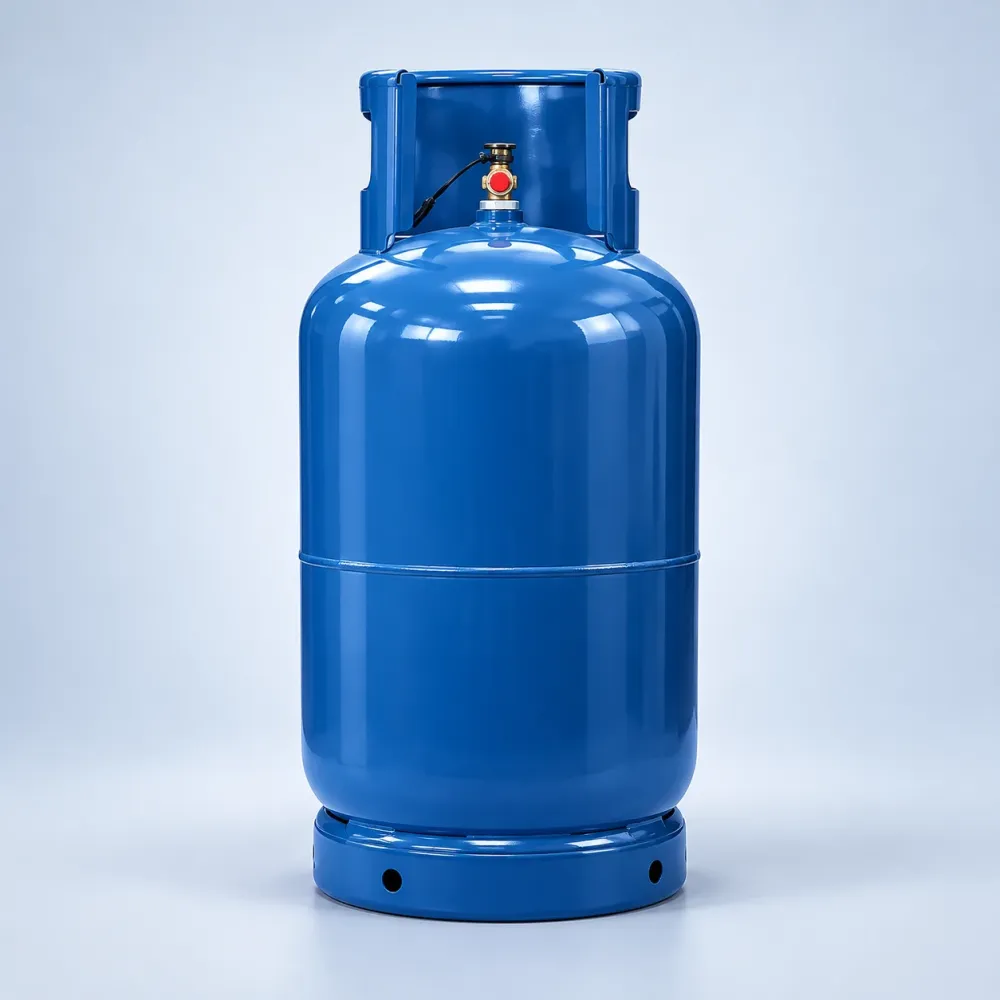
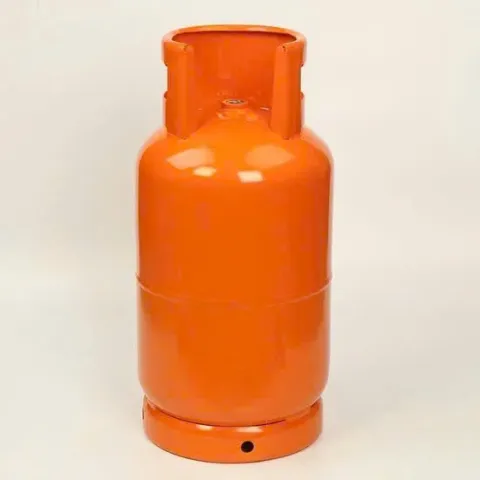
Every compliant cylinder carries information stamped on the collar or handle, usually including: the manufacturer’s name or mark, serial number, tare weight, capacity, test pressure, month and year of manufacture, and inspection date. For private-label cylinders, the dealer’s identity is also embossed or printed on the body.
The stamped data stays with the cylinder for its whole service life, so it must be clear, match the records and not be covered by paint.
What should you check on delivery?
Count and check serial numbers of some random cylinders against the list in the records.
Look at the stamped data: clear, correct capacity, correct month and year of manufacture.
Check the surface: even paint, no dents, no deep scratches down to the steel.
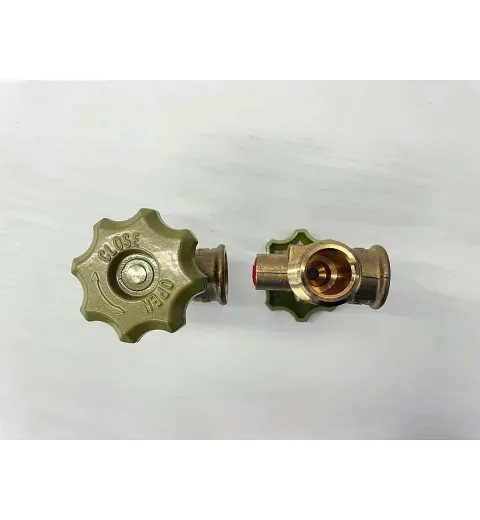
Check the valves (if ordered with valves): the POL or QCC type you ordered, with protective caps.
Sign the delivery report stating the quantity and condition; if any cylinder was damaged in transport, record it immediately so it can be handled under our return and warranty policy.
How should you file the records?
File records by batch: one folder (or one computer folder) per batch containing the inspection report, quality sheet, serial list and invoice. Note the date received and where the batch was distributed. When you need to withdraw a group of cylinders for periodic inspection or answer an enquiry from the authorities, you only need the serial number to find the original batch.
Cylinders in circulation must be re-inspected periodically according to the cycle set by the regulation; the latest inspection date is shown on the cylinder. Cylinders past their inspection date must be withdrawn from circulation until they are re-inspected.
Frequently asked questions
Do new cylinders need to be inspected again before filling?
New cylinders have passed the pressure test at the factory and come with the batch inspection report. Dealers only need to check the records and the condition of the cylinders on delivery; periodic inspection is carried out when the cylinders are due under the regulation.
Whose name goes on the records for private-label cylinders?
The inspection records name the manufacturer that carried out the work. The dealer’s brand is shown on the cylinder body and can be noted on the records as agreed in the contract.
What if I lose the inspection report for a batch?
Contact the manufacturer with the serial numbers and purchase date to request a copy of the records kept for that batch.
Written by the VietnhatGas technical and sales team — a batch manufacturer of LPG cylinders. This content is for reference; regulations and standards may change, so please check the current texts.
A comparison of steel and composite gas cylinders covering construction, weight, durability, cost, inspection and how common each is in Vietnam, to help dealers choose the right type of cylinder.
A weak gas stove flame, a red or yellow flame or uneven burning can be caused by a nearly empty cylinder, the regulator, the hose, dirty burners or incorrect air adjustment. How to check each cause and when to call a technician.
How long a 12kg gas cylinder lasts depends on the stove’s output and your cooking time. How to estimate your own gas use, how to tell a cylinder is running low by weighing it and tips for saving gas when cooking.
Read article →
Need a volume quote?
Send us the capacity, quantity and brand printing requirements — VietnhatGas will reply with a batch quotation.