Restaurant gas cylinder installation: location, manifolds and safety tips
A guide to restaurant gas cylinder installation for restaurants and commercial kitchens: 12kg or 45kg cylinders, where to place them, cylinder manifolds, regulators, piping, leak detectors and safe operating habits.
VietnhatGas · · 4 min read
Restaurant kitchens burn gas for many hours a day, with several high-pressure burners and stockpot stoves running at once — gas consumption and risk are both far greater than in a home kitchen. Getting restaurant gas cylinder installation right from the start gives your kitchen enough heat, saves gas and, most importantly, keeps staff and diners safe. This article sums up what restaurant owners need to know before working with an installer.
12kg cylinders, 45kg cylinders or a cylinder manifold?
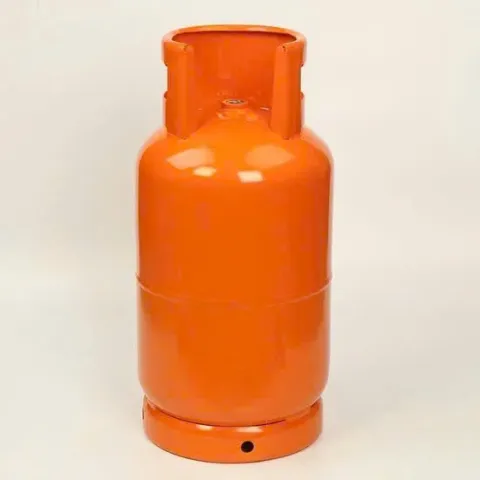
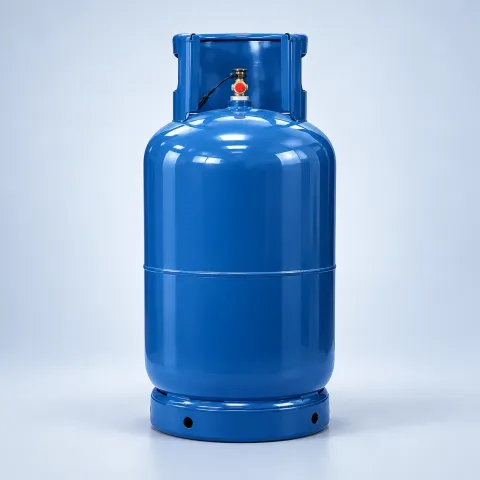
Small eateries with 1 – 2 burners: 12kg cylinders are compact and easy to swap, but need changing often.
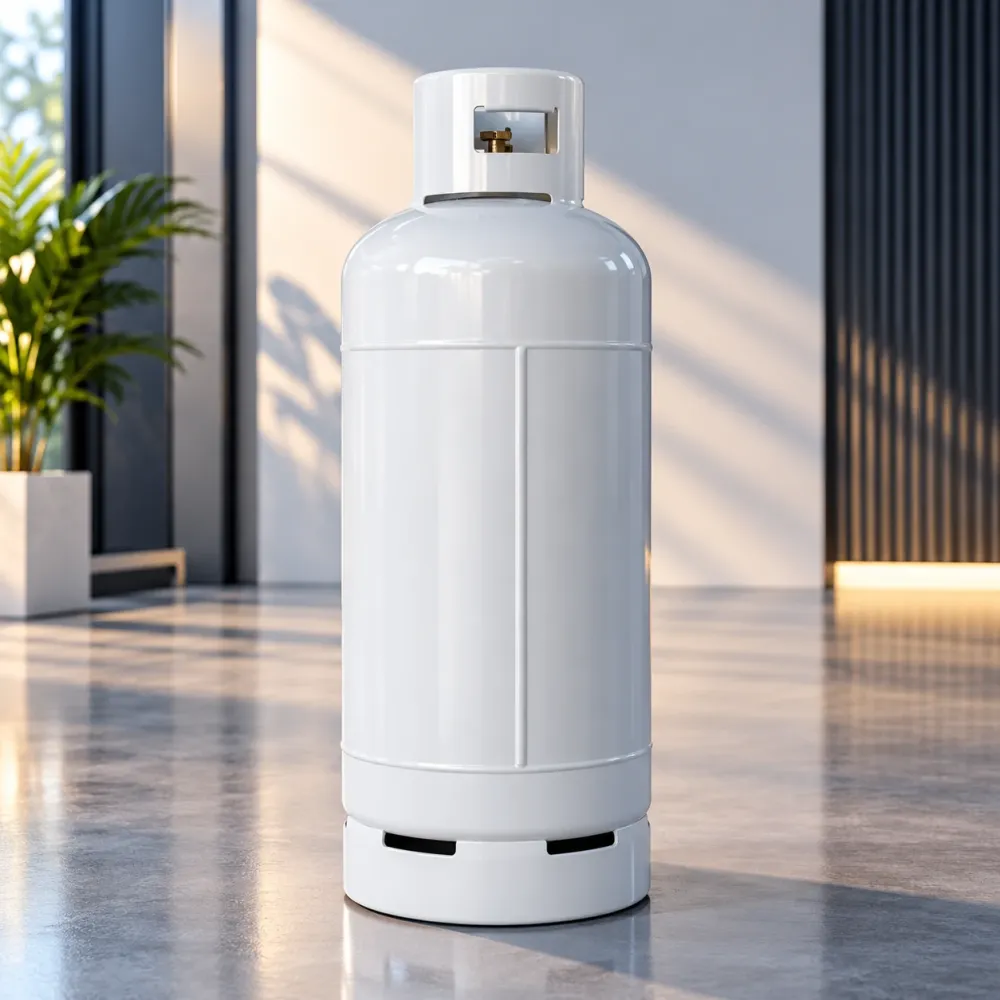
Mid-sized restaurants with high-output burners: 45kg cylinders give a steadier vapour flow and fewer cylinder changes mid-shift.
Canteens and restaurant chains: a cylinder manifold (several 45kg cylinders connected through a common header) or a central gas system with a storage tank — continuous supply, and cylinders can be changed without turning off the burners.
When many burners run at the same time, a single cylinder may not vaporise fast enough, leading to a weak flame and frost forming on the outside of the cylinder. The installer will work out how many cylinders to connect based on total burner output and peak hours. For a detailed comparison of the two sizes, see 12kg vs 45kg LPG cylinders.
Where to place gas cylinders
A separate, naturally ventilated area, ideally outdoors under a roof or in a cylinder cage/cabinet with vents close to the floor.
Not in a basement, a pit, under the stairs or near drains — LPG is heavier than air and will collect there if it leaks.
Away from heat sources, sockets and switches and from emergency exits; never keep a cylinder right next to a lit burner.
Cylinders always upright, secured with a chain or rack, on level ground, with nothing heavy placed on them.
Spare cylinders stored separately, valves closed and valve caps fitted; do not keep more than needed in the kitchen.
Safety distances and specific requirements depend on the size of the system and are set out in current LPG and fire safety regulations; have a qualified installer survey the site.
Valves, piping and safety equipment
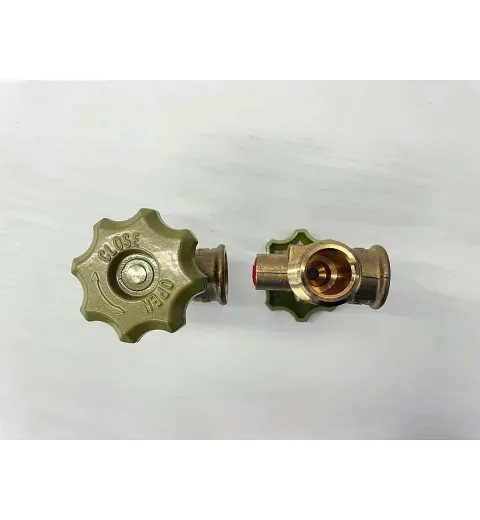
The right cylinder valve and regulator: use an industrial regulator suited to the flow rate of high-pressure burners, not a household regulator for high-output stoves. See our LPG cylinder handwheel valve.
Fixed piping made of materials designed for gas, run on the surface so it is easy to inspect; use flexible hoses only for short connections to the burners and replace them when they age.
A main shut-off valve in an easy-to-reach position so gas can be cut off quickly in an emergency.
Gas leak detectors mounted low near the kitchen floor, which can be linked to an automatic shut-off valve.
Suitable fire extinguishers near the kitchen exit, with staff who know how to use them.
Operation and routine checks
Start of shift: check for a gas smell on entering the kitchen, look over the hoses, open the main valve and only then open the burner valves.
End of shift: turn off the burners, then close the main valve and the cylinder valves.
Periodically: have a technical contractor inspect the whole system, and replace hoses and valves as recommended by the manufacturer.
When changing cylinders: only accept cylinders within their inspection date, with intact valves and seals, and bodies free of dents or heavy rust.
New staff should be trained on what to do when they smell gas: do not switch electrical devices on or off, close the valves, ventilate, evacuate and call a technician or the fire service on 114 when needed.
Frequently asked questions
Does a restaurant need paperwork to install a gas system?
Depending on its size, a restaurant gas system may have to meet fire safety requirements and LPG safety regulations. Ask your installer and the local authorities so you prepare the right documents.
Why does a 45kg cylinder frost over when the burners run hard?
Evaporating liquid gas absorbs heat and cools the cylinder. Heavy frost is a sign that gas is being drawn off faster than the cylinder can vaporise it — connect more cylinders or switch to a cylinder manifold.
Should I install it myself to save money?
No. A restaurant gas system needs flow calculations, the right materials and a leak test after installation; use a qualified installer.
VietnhatGas supplies 45kg LPG cylinders and valves in batches to dealers who distribute gas to restaurants and canteens. See our delivery policy or send a request on our quotation page.
Written by the VietnhatGas technical and sales team — a batch manufacturer of LPG cylinders. This content is for reference; regulations and standards may change, so please check the current texts.
A comparison of steel and composite gas cylinders covering construction, weight, durability, cost, inspection and how common each is in Vietnam, to help dealers choose the right type of cylinder.
A weak gas stove flame, a red or yellow flame or uneven burning can be caused by a nearly empty cylinder, the regulator, the hose, dirty burners or incorrect air adjustment. How to check each cause and when to call a technician.
How long a 12kg gas cylinder lasts depends on the stove’s output and your cooking time. How to estimate your own gas use, how to tell a cylinder is running low by weighing it and tips for saving gas when cooking.
Read article →
Need a volume quote?
Send us the capacity, quantity and brand printing requirements — VietnhatGas will reply with a batch quotation.