POL vs QCC valve: what is the difference and how to choose a cylinder valve
A comparison of POL and QCC valves on LPG cylinders: connection type, how the regulator is fitted, safety features, the markets that use them and how to choose the right valve when ordering cylinders in batches.
VietnhatGas · · 3 min read
When ordering LPG cylinders in batches, the first question about valves is usually: POL vs QCC valve — which one? The two valve types differ in how they connect to the regulator, how they are fitted and removed, and in some safety features. Choosing the wrong type may leave the cylinders unable to connect to the equipment commonly used in your market. This article explains the differences and how to choose.
What is a POL valve?
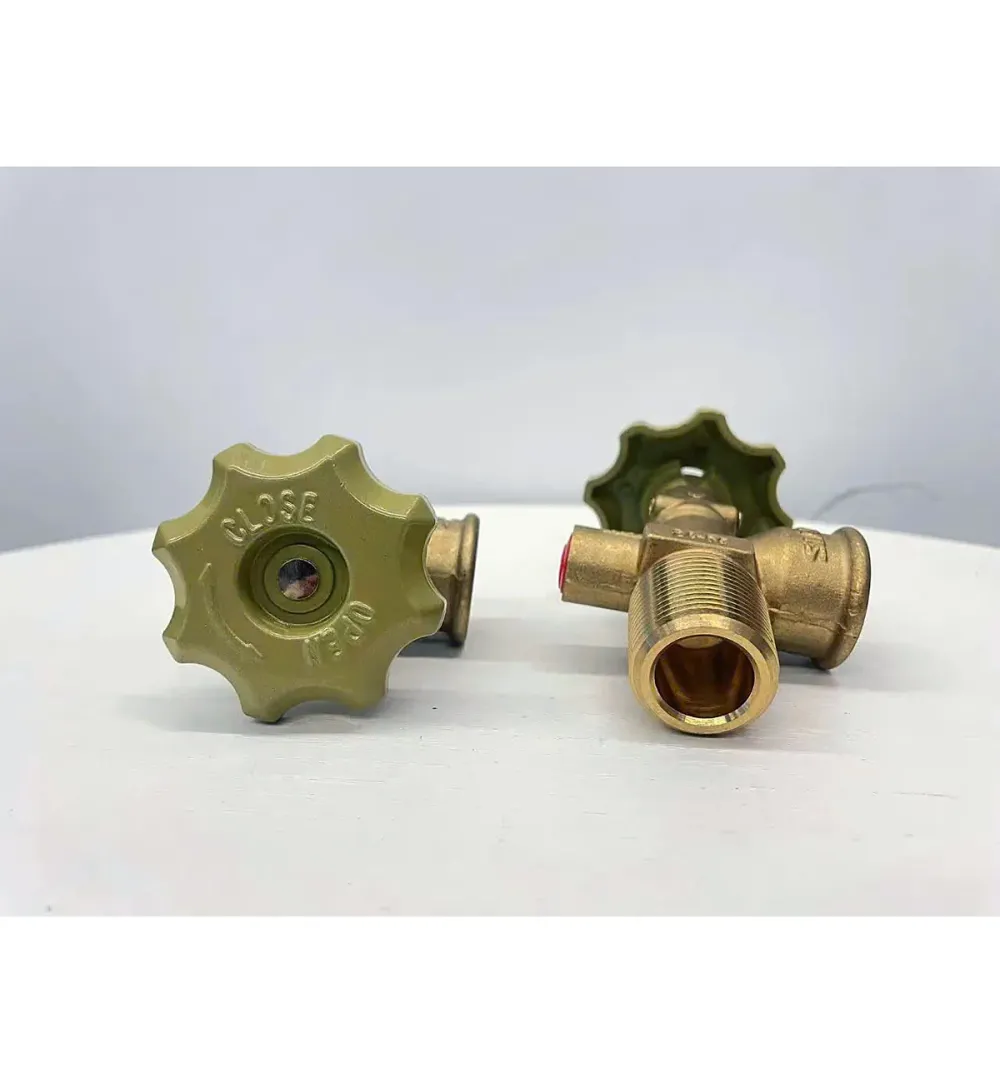
POL (short for Prest-O-Lite, the name of a connection type that dates back a very long time) is a valve with a left-hand thread inside the valve outlet. The connector of the regulator or filling hose is screwed into the valve outlet and usually has to be tightened with a spanner to seal.
Simple, durable design that has been used for many years in many markets.
Slower to connect and disconnect because a tool is needed; the left-hand thread can confuse people who are not used to it.
The seal depends on tightening to the correct torque and on the condition of the connector.
What is a QCC valve?
QCC (Quick Closing Coupling, called Type 1 in some markets) is a valve with a large external thread; the regulator connector has a large handwheel and is screwed on by hand without any tools.
Quick to connect and disconnect, convenient for end users.
The design usually includes a mechanism that stops gas flowing when the connector is not fitted correctly; some types have additional safety features depending on the valve manufacturer.
Many QCC connectors are still backward compatible with POL-type valve outlets, but this needs to be checked for each specific valve.
POL vs QCC valve at a glance
Criterion
POL valve
QCC valve
Thread type
Left-hand thread, inside the valve outlet
Large external thread
Fitting the regulator
Usually needs a spanner
Hand-tightened
Connection speed
Slower
Fast
Safety features
Depend on the valve design and correct tightening
Usually has a mechanism that blocks flow until fitted correctly
Best suited to
Markets and equipment already using the POL standard
Markets that favour quick fitting and changing cylinders at home
Besides POL and QCC, there are other valve types on the market, such as clip-on valves (where the regulator is fitted with a clip-on coupling). In Vietnam, the common valve type varies by brand and region.
How to choose a valve when ordering LPG cylinders in batches
Check the equipment your customers use: the type of regulator and the filling heads at your own filling plant or your partner’s.
Check your sales market: each country and region has its own common connection standard; for export orders, ask carefully about the importing country’s requirements — see exporting LPG cylinders.
Standardise across your whole cylinder fleet: using a single valve type keeps operations simple for the filling plant and dealers.
Ask for the valve documents: valves must have a known origin, certification of conformity to standards and be leak tested when fitted to the cylinder.
The valve type also affects the LPG cylinder price; some orders are for cylinders without valves fitted so the partner can fit their own.
Safety notes when using cylinder valves
Check the washer and connector every time you change a cylinder; test for leaks with soapy water — see how to check for gas leaks.
Do not remove or repair the cylinder valve or safety valve yourself.
Only use a regulator of the right type for the cylinder valve.
Frequently asked questions
Can a QCC regulator be fitted to a POL valve?
Some QCC connectors are designed to be compatible with POL valve outlets, but not in every case. Check the specifications of both the cylinder valve and the regulator before use.
Can the valve type be changed on cylinders already in circulation?
Replacing the valve on a cylinder in circulation must be done by a qualified organisation, with a leak test after fitting; do not change it yourself at home.
Which valves does VietnhatGas supply?
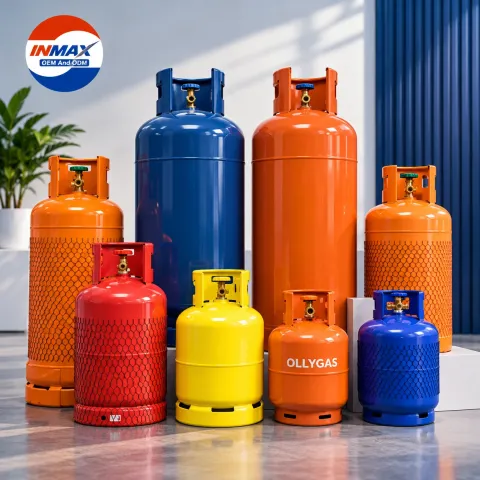
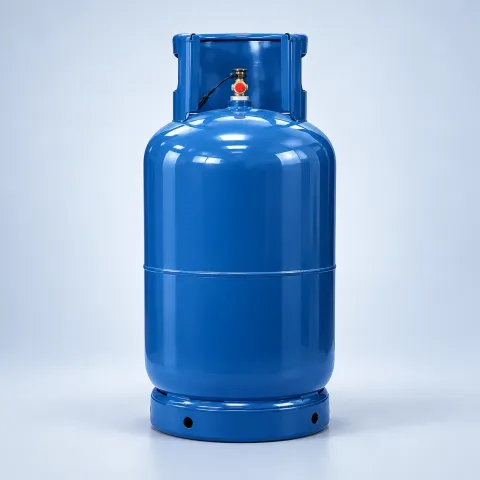
VietnhatGas 12kg and 45kg cylinders can be fitted with POL or QCC valves on request, or delivered without valves fitted by agreement.
Written by the VietnhatGas technical and sales team — a batch manufacturer of LPG cylinders. This content is for reference; regulations and standards may change, so please check the current texts.
LPG cylinder traceability relies on the serial number and batch code stamped on the cylinder, the seal and the QR code. The benefits for dealers and users, and how to check a gas cylinder yourself before accepting it.
The process for filling LPG into cylinders at a filling plant: receiving and sorting cylinders, checking inspection dates, filling by weight, leak testing, sealing and dispatch.
How long a 12kg gas cylinder lasts depends on the stove’s output and your cooking time. How to estimate your own gas use, how to tell a cylinder is running low by weighing it and tips for saving gas when cooking.
Read article →
Need a volume quote?
Send us the capacity, quantity and brand printing requirements — VietnhatGas will reply with a batch quotation.