What is LPG? Composition, properties and uses of liquefied petroleum gas
What is LPG, how it is made up of propane and butane, why it is compressed into a liquid in steel cylinders, the properties to know for safe use and how LPG is used in homes, restaurants and industry.
VietnhatGas · · 3 min read
The gas cylinder in your kitchen, the 45kg cylinder at a restaurant and the mini gas canister you take camping all hold the same fuel: LPG. So what is LPG, why is it stored as a liquid in steel cylinders, and what should you keep in mind to use it safely? This article gives a short, easy-to-follow explanation for users, dealers and new shop owners.
What is LPG?
LPG stands for Liquefied Petroleum Gas. It is a mixture of light hydrocarbons, mainly propane (C₃H₈) and butane (C₄H₁₀), obtained from crude oil refining or separated from natural gas. At normal temperature and pressure, LPG is a gas; when compressed at moderate pressure, it turns into a liquid and its volume shrinks many times over (often quoted as about 250 times). This is why a compact cylinder can hold enough fuel for several weeks of use.
In Vietnam, LPG is usually just called “gas”. It should not be confused with natural gas (CNG, LNG — mainly methane), which has quite different properties and is stored in a different way.
Composition: how do propane and butane differ?
Propane vaporises at a very low temperature (about −42°C) and has a higher vapour pressure in the cylinder, so it still gives a good flame in cold weather.
Butane vaporises at about 0°C and has a lower pressure, making it suitable for mini gas canisters and portable stoves.
Household cylinder gas is usually a propane – butane mixture, with the ratio depending on the supplier and the season. Mini canister gas is mainly butane — learn more about our clean butane mini gas range.
Key properties of LPG you should know
Heavier than air: when it leaks, gas sinks and collects near the floor, under the stove and in drains — so never place cylinders in a basement or an enclosed low-lying spot.
Colourless and almost odourless: commercial gas has a distinctive odorant added so users can notice leaks. See how to check for gas leaks at home.
Expands strongly with temperature: liquid LPG expands when heated, so cylinders are only filled to the permitted level and always keep a vapour space at the top. Do not keep cylinders near heat sources or in strong sunlight.
High calorific value, clean burning: a blue flame with less soot and smoke than charcoal or firewood when the stove is properly adjusted.
Flammable within a certain concentration range when mixed with air — which is why you must ventilate and avoid sparks whenever you suspect a leak.
How is LPG stored and transported?
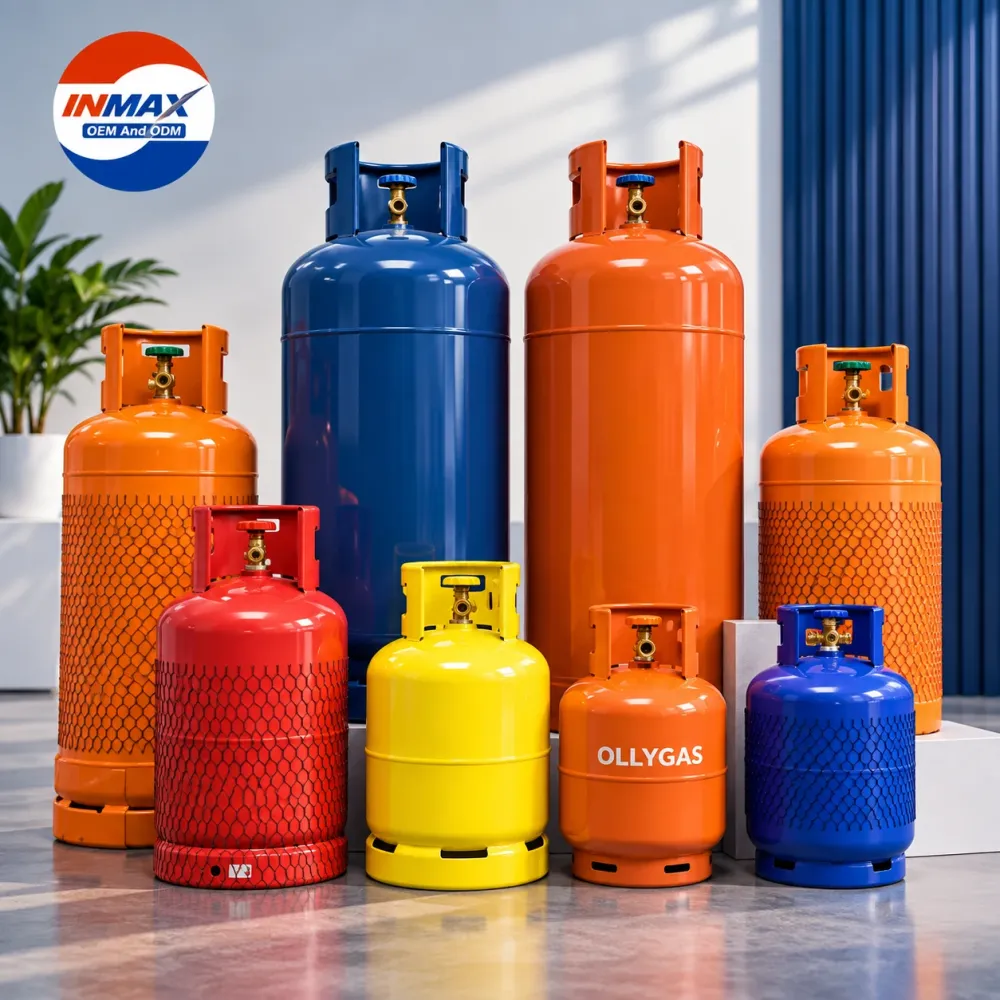
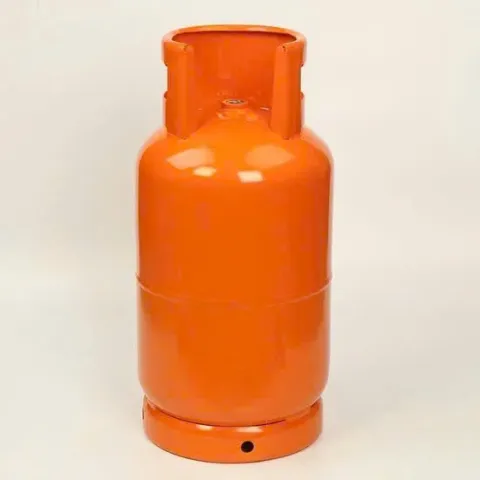
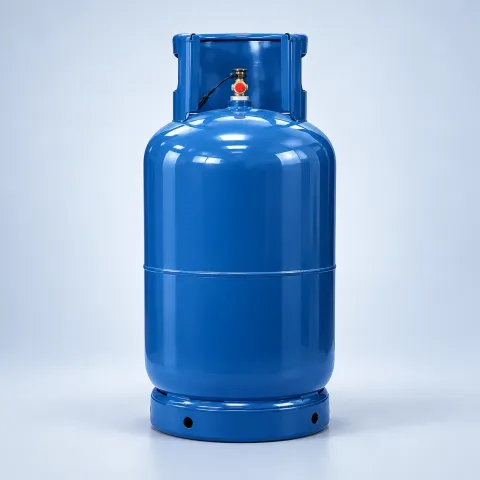
LPG is filled into pressure-rated steel cylinders fitted with a shut-off valve and a safety valve. Cylinders must be manufactured, pressure tested and inspected according to current standards and regulations; throughout their service life, they must also undergo periodic inspection. Common sizes:
Restaurants and commercial kitchens: high-pressure burners, stockpot stoves and ovens — usually running on 45kg cylinders or a cylinder manifold.
Industry: drying, heating, metal cutting, ceramic kilns and fuel for forklifts.
Agriculture: drying farm produce and heating livestock barns.
Portable and outdoor use: mini gas stoves, blowtorches and lighters.
Frequently asked questions
Is LPG toxic?
LPG is not a toxic gas in the usual sense, but at high concentrations it displaces oxygen and can cause suffocation; burning it without enough oxygen can produce dangerous carbon monoxide (CO). Always use your stove in a well-ventilated place.
Why can I hear liquid when I shake the cylinder?
Because most of the LPG in the cylinder is liquid; when you open the valve, the vapour at the top flows to the stove and the liquid keeps evaporating to replace it.
Can cylinder gas and mini canister gas be used interchangeably?
No. Each type has its own pressure, valve and equipment; only use stoves and accessories designed for that fuel, following the manufacturer’s instructions.
VietnhatGas manufactures 12kg and 45kg LPG cylinders and mini gas canisters in batches for dealers and businesses. Need a quote? Send a request on our quotation page.
Written by the VietnhatGas technical and sales team — a batch manufacturer of LPG cylinders. This content is for reference; regulations and standards may change, so please check the current texts.
A comparison of steel and composite gas cylinders covering construction, weight, durability, cost, inspection and how common each is in Vietnam, to help dealers choose the right type of cylinder.
A weak gas stove flame, a red or yellow flame or uneven burning can be caused by a nearly empty cylinder, the regulator, the hose, dirty burners or incorrect air adjustment. How to check each cause and when to call a technician.
How long a 12kg gas cylinder lasts depends on the stove’s output and your cooking time. How to estimate your own gas use, how to tell a cylinder is running low by weighing it and tips for saving gas when cooking.
Read article →
Need a volume quote?
Send us the capacity, quantity and brand printing requirements — VietnhatGas will reply with a batch quotation.