How to use a portable gas stove safely: 8 key tips
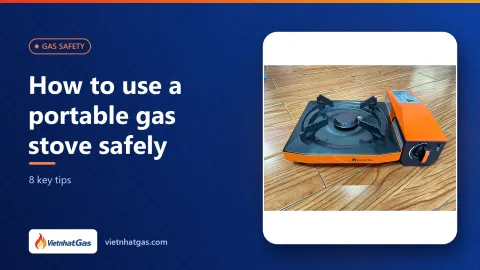
Eight tips for using a portable gas stove: fit the canister correctly, never cover the stove with a large grill plate, use it in a ventilated place, remove the canister after use.
Read articleA step-by-step guide to cleaning a portable gas stove: remove the canister and let it cool, wipe it daily, clean the pot supports and drip tray, clear the burner ports, check the seal, spot damage and store the stove.
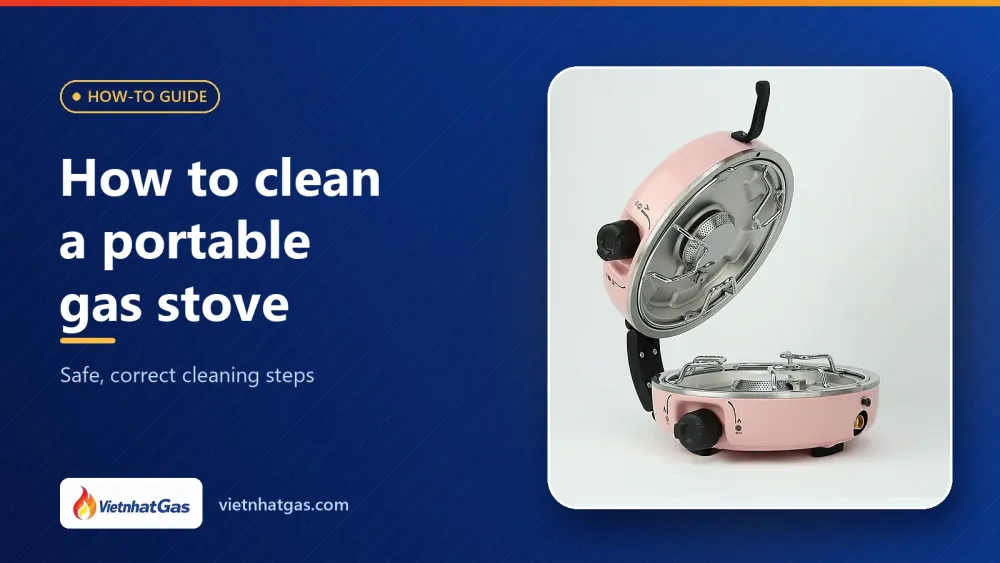
After every hotpot or barbecue meal, a portable gas stove is usually left with spilt broth, grease and food scraps. Left for a long time, the residue blocks the flame ports, the flame burns unevenly, the stove becomes hard to light and it deteriorates quickly. Knowing how to clean a portable gas stove properly makes it last longer and helps you spot damage early. The most important thing is to clean it without letting water or cleaning products get into the parts that must not get wet.
Never clean the stove while the gas canister is still fitted.
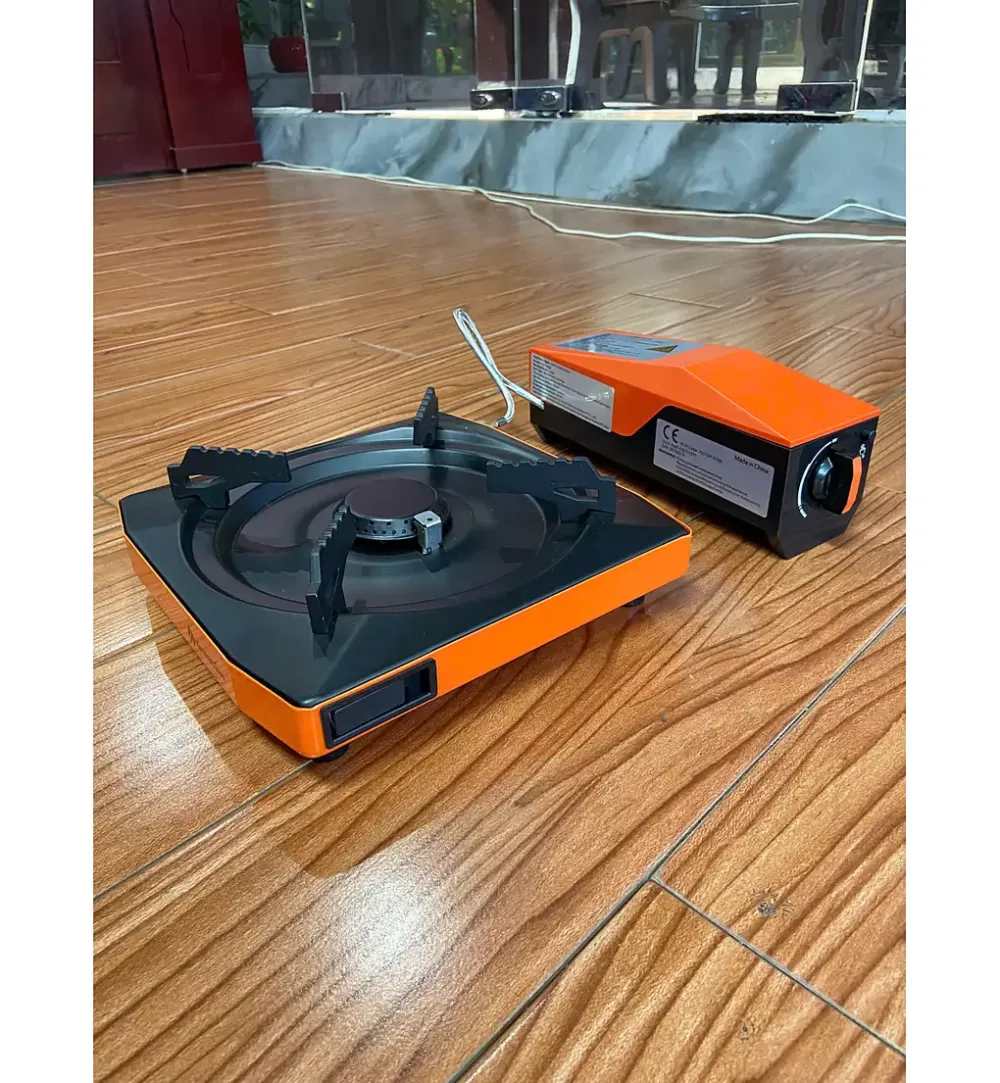
Many models have removable pot supports or drip trays (see the manufacturer’s instructions). Removable parts can be soaked in warm water with washing-up liquid, scrubbed with a soft brush, rinsed and left to dry completely before being refitted. Parts fixed to the stove body should only be wiped with a damp, well-wrung cloth.
If the flame is still weak or red after cleaning, the cause may lie elsewhere — see weak or red gas stove flame.
If water does get in, wipe the outside dry and leave the stove to dry naturally in a well-ventilated place until it is completely dry before fitting a canister. Do not use a flame to dry the stove.
Stop using the stove and contact the seller if you find a cracked or missing seal, a loose canister locking mechanism, a dented or rusty canister compartment, a cracked burner, scorch marks around the canister compartment, or a smell of gas when a canister is fitted. Do not improvise replacement parts. If the stove is under warranty, take it with its warranty card to the place of purchase or call the warranty hotline printed on the card; if you need to replace the stove, see choosing a portable gas stove.
Only put the stove away once it is completely dry, in its carry case if it has one, and keep it in a dry place. Store gas canisters separately and do not leave a canister in the stove — see how to store butane canisters.
If your stove holds the canister in a separate box connected by a hose, see how a canister-box portable stove is built to learn which points on the hose and canister box deserve attention each time you clean and store it.
No. Water will get into the canister compartment, the igniter and the valve assembly. Only wash the parts that the manufacturer allows to be removed.
Give it a quick wipe after every use, and clean it thoroughly when you see residue building up or the flame becomes uneven. Restaurants should make cleaning the portable gas stoves part of the end-of-shift routine.
Do not apply oil to the burner, seal or canister compartment; keeping the stove dry is the simplest way to prevent rust.
Need durable, easy-to-clean portable gas stoves for your restaurant or for distribution? See the VNG/BG003 portable gas stove and VNG001 portable gas stove, and send a request on our quotation page.
Written by the VietnhatGas technical and sales team — a batch manufacturer of LPG cylinders. This content is for reference; regulations and standards may change, so please check the current texts.
Eight tips for using a portable gas stove: fit the canister correctly, never cover the stove with a large grill plate, use it in a ventilated place, remove the canister after use.
Read articleA rented room is cramped and poorly ventilated: should you choose a portable gas stove, a small gas cylinder or an induction hob? Criteria by room size, landlord rules and cost, safe stove layout and storing spare canisters.
Read articleA portable gas stove that won’t light is usually caused by a canister not seated in its notch, an empty or very cold canister, a damp igniter, a blocked burner or a tripped safety valve. Step-by-step checks and when to replace the stove.
Read articleSend us the capacity, quantity and brand printing requirements — VietnhatGas will reply with a batch quotation.