Can you use a rusty gas cylinder or a dented one? How to recognise and deal with damage
Is a rusty gas cylinder, or one that is dented, scorched or bulging, safe? How to tell surface rust from serious damage, what users should do and how dealers deal with damaged cylinders.
VietnhatGas · · 3 min read
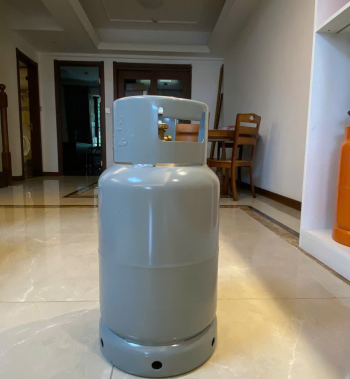
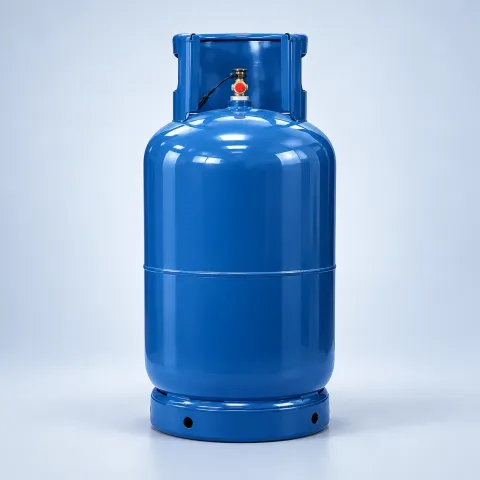
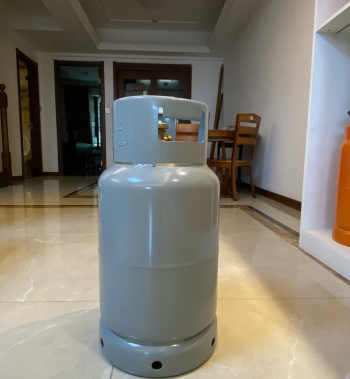
Gas cylinders circulate for many years and pass through many hands, so scratches and faded paint are normal. But on seeing a rusty gas cylinder with patchy corrosion, dents or bulges, many people wonder whether to keep using it. This article helps you tell normal signs of wear from dangerous damage, and explains what to do.
Why do gas cylinders get rusty or dented?
The paint gets scratched when cylinders are rolled, stacked and handled; exposed steel rusts when it meets moisture.
Cylinders are left on damp floors, near washing areas or outdoors in the rain for long periods.
Hard knocks during transport, or being dropped from a vehicle.
Cylinders kept near a heat source, where flames scorch the paint.
Which signs are acceptable and which are dangerous?
Usually acceptable
Light scratches, faded paint.
Specks of surface rust in a small area; when wiped away the steel is still smooth, with no deep pitting.
Stop using it and tell your dealer
Deep rust, pitting or flaking over a wide area, especially on the base, the foot ring and around the welds.
Deep dents, sharp-edged dents or dents on a weld.
Bulging or deformation of the cylinder body.
Scorching, paint burnt from contact with flames.
A damaged valve or cylinder neck, a broken handle (shroud) or a crushed foot ring that stops the cylinder standing steadily.
Past the inspection date marked on the cylinder.
Whether a cylinder is still fit for use or must be withdrawn is assessed by the inspection body according to the applicable standards and regulations — users should not decide this themselves.
What should users do?
Do not accept a cylinder showing signs of serious damage when the dealer delivers it; ask for a different one.
If you find damage on a cylinder in use: close the valve, move the cylinder to a well-ventilated place and call the dealer to replace it.
Handle cylinders gently and do not drop them from vehicles.
Frequently asked questions
Is a little rust on the base of a gas cylinder dangerous?
Light surface rust is usually not an immediate danger, but the base is prone to deep rust because it sits on damp floors. If you see pitting or flaking, ask your dealer to check it.
Can a cylinder with a slight dent from a knock still be used?
A shallow dent that is not on a weld may still be within the permitted limits, but it needs to be assessed by the inspection body. If the dent is deep, sharp-edged or on a weld, stop using the cylinder.
How do I know whether a cylinder is within its inspection date?
VietnhatGas manufactures new LPG cylinders in batches so dealers can replace damaged and out-of-date cylinders. Send a request on our quotation page.
Written by the VietnhatGas technical and sales team — a batch manufacturer of LPG cylinders. This content is for reference; regulations and standards may change, so please check the current texts.
The documents that come with a new batch of LPG cylinders, the data stamped on the collar, what to check on delivery and how to file records for the authorities.
What businesses importing or contract-manufacturing LPG cylinders from Vietnam need to prepare: destination-market standards, certification, labelling, valve type, export documents, packaging and shipping.
How dealers can manage circulating LPG cylinders: record serial numbers, track cylinders held by customers, reduce losses, handle other brands’ cylinders and those due for inspection, and plan new cylinder purchases.
Read article →
Need a volume quote?
Send us the capacity, quantity and brand printing requirements — VietnhatGas will reply with a batch quotation.