LPG cylinder powder coating: process, durability and brand colours
The LPG cylinder powder coating process from surface cleaning, powder spraying and curing to coating inspection; why powder coating outlasts wet paint and how to choose colours and logo printing for your own brand.
VietnhatGas · · 3 min read
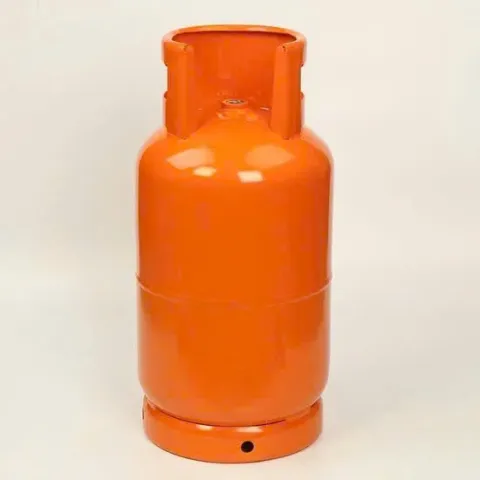
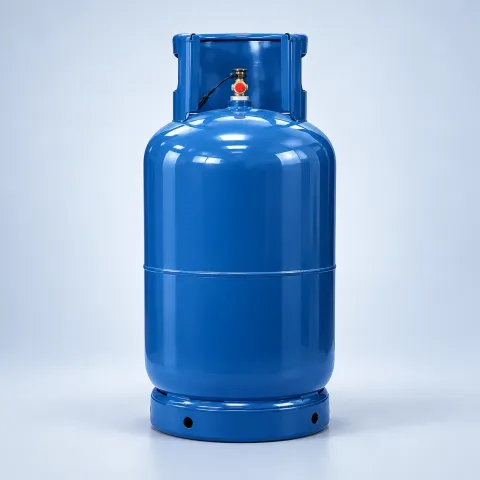
The paint colour is the first thing customers see on a gas cylinder, and it is also the layer that protects the steel from rust through many years in circulation. LPG cylinder powder coating is the technology widely used by manufacturers because the coating is thick, even, firmly bonded and more impact resistant than wet paint. This article explains the process, how to check coating quality and what dealers need to prepare when ordering a custom colour for their brand.
What is powder coating?
Powder coating uses dry paint powder instead of liquid paint. The spray gun gives the powder particles an electrostatic charge while the cylinder is earthed; the electrostatic attraction pulls the powder evenly onto every surface, including hidden areas. The cylinder then passes through a curing oven, where the powder melts and hardens into a continuous, hard and glossy film.
Compared with traditional wet paint, powder coating offers these advantages:
A thick, even coating with fewer runs and air bubbles.
Good adhesion and impact resistance — important for cylinders that are rolled, stacked and loaded every day.
Better rust protection when the steel surface is properly prepared before coating.
No solvents, and overspray powder can be recovered, making it better for the working environment.
The LPG cylinder powder coating process
Surface cleaning: after welding and pressure testing, the cylinder is shot blasted (with steel shot) to remove rust, mill scale and grease and to create a rough profile that helps the coating bond firmly. This step determines how durable the coating will be.
Powder spraying: in an enclosed spray booth, electrostatic guns coat the body, the domes and the handle of the cylinder.
Curing: the cylinder passes through a curing oven at the temperature and time recommended by the powder manufacturer (typically about 180 – 200°C).
Cooling and inspection: coating thickness is measured, and adhesion, colour and surface finish are checked.
Branding: the logo, brand name and mandatory information are printed on the cylinder body by screen printing or with heat-resistant, scratch-resistant decals.
Choosing colours and printing logos for your own brand
For OEM / ODM / OBM cylinders, the paint colour is the dealer’s brand identity in the market. A few points to note:
Provide a specific colour code (a RAL or Pantone code) rather than a description such as “dark green” or “bright red”, to avoid colour differences between batches.
Approve a sample cylinder before mass production, and keep one sample to compare against later batches.
Choose a colour that stands out from other brands in your area, so customers recognise your cylinders and fewer of them are retained by others.
Keep the logo simple, with good contrast against the paint colour so it prints sharply and lasts.
Check current regulations on labelling and mandatory information on cylinders before finalising the design.
Can old cylinders with peeling paint be repainted?
Repainting cylinders in service is usually tied to periodic inspection and must be done by a qualified facility; do not paint over rust yourself, as it hides damage to the steel.
Does powder coating fade in the sun?
Colour fastness depends on the type of powder. Cylinders that are often kept outdoors should use a powder with good UV resistance; discuss this with the manufacturer when choosing a colour.
Is there a minimum order quantity for a custom colour?
Yes. Custom colours and logo printing are usually applied per batch; the minimum quantity depends on the cylinder size and paint colour — contact us for specific advice.
Written by the VietnhatGas technical and sales team — a batch manufacturer of LPG cylinders. This content is for reference; regulations and standards may change, so please check the current texts.
A comparison of steel and composite gas cylinders covering construction, weight, durability, cost, inspection and how common each is in Vietnam, to help dealers choose the right type of cylinder.
A weak gas stove flame, a red or yellow flame or uneven burning can be caused by a nearly empty cylinder, the regulator, the hose, dirty burners or incorrect air adjustment. How to check each cause and when to call a technician.
How long a 12kg gas cylinder lasts depends on the stove’s output and your cooking time. How to estimate your own gas use, how to tell a cylinder is running low by weighing it and tips for saving gas when cooking.
Read article →
Need a volume quote?
Send us the capacity, quantity and brand printing requirements — VietnhatGas will reply with a batch quotation.