How to refill a gas lighter: safe steps and mistakes to avoid
How to refill a gas lighter correctly: telling whether a lighter is refillable, choosing the right gas and nozzle, the safe refilling steps, what to do if it will not light and the mistakes to avoid.
VietnhatGas · · 4 min read
Refillable gas lighters save money and cut down on waste, but handling them wrongly can cause gas leaks, cold burns or unintended ignition. This article explains how to refill a gas lighter in the right order, along with common mistakes. As every model is built differently, always follow the lighter manufacturer’s instructions.
Which lighters can be refilled?
Only refill lighters designed to be refilled. The easiest sign to spot is a refill valve on the base of the lighter: a small valve opening, usually surrounded by a metal ring.
Disposable lighters (one-piece plastic body, no refill valve): must not be refilled. Trying to pierce, drill or force gas into them can damage the body and cause gas leaks.
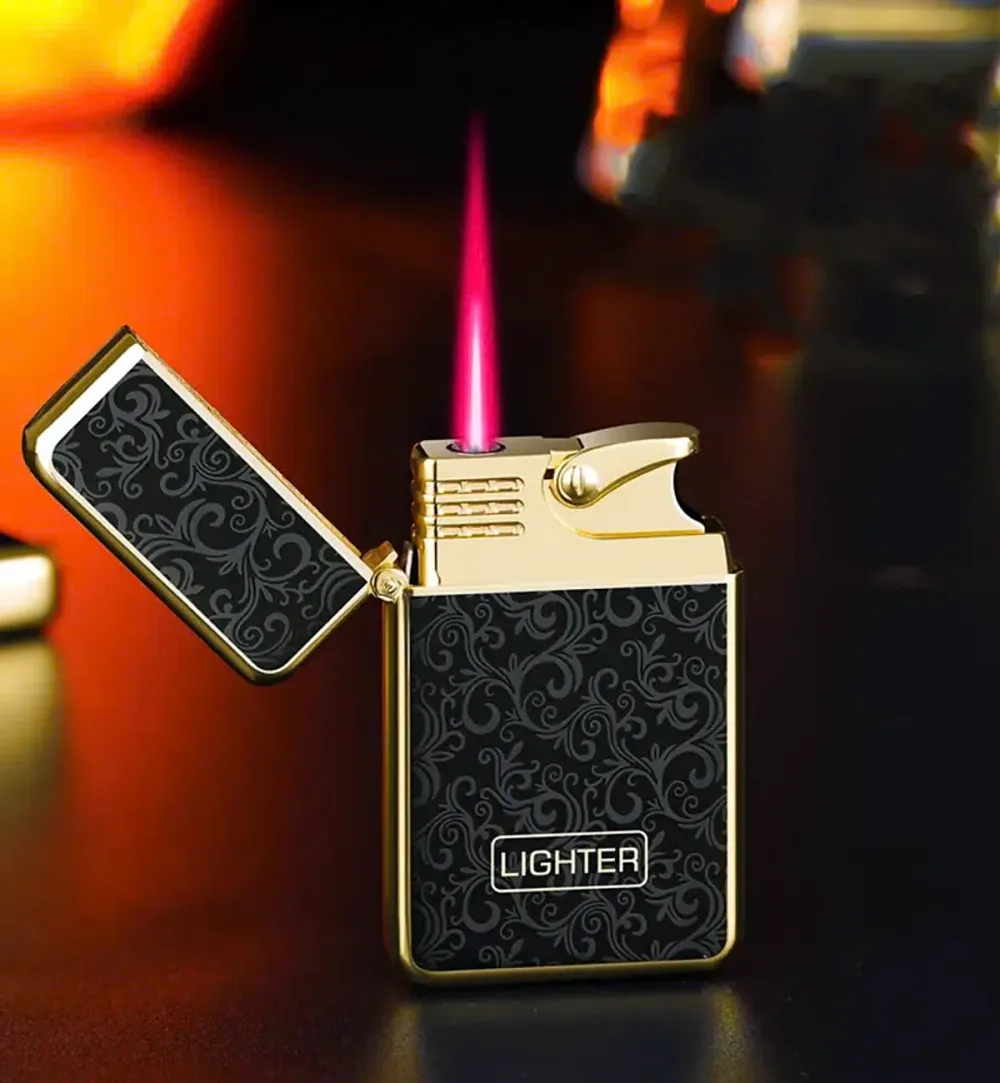
Metal-bodied lighters and torch lighters with a refill valve: can be refilled according to the lighter manufacturer’s instructions. For what torch lighters are used for, see what a torch lighter is used for.
Popular models can be found in our gas lighters category.
Choosing the right gas for refilling
Use a refill can made specifically for lighters (usually bottled butane gas) whose nozzle fits the refill valve, or fit the adaptor supplied with the can for a snug fit. A nozzle that does not fit will spray gas outside instead of into the tank. For the properties of this gas, see what butane gas is.
Do not use a camping stove’s mini gas canister to refill a lighter. The canister’s valve and fitting are designed specifically for the stove, not for decanting; a home-made refill adaptor can very easily cause gas leaks — see also can mini gas canisters be refilled.
Before refilling, turn the lighter over to check whether there is a refill valve on its base.
Steps to refill a gas lighter safely
Choose a well-ventilated spot: outdoors or somewhere with good ventilation, away from lit stoves, candles, cigarettes and equipment that can produce sparks.
Turn the flame adjuster to its lowest setting so that the flame does not flare up the first time you light it after refilling.
Purge any remaining gas if the lighter manufacturer’s instructions require it: use a small, blunt object to press gently on the valve until the hissing stops, pointing the valve away from your face, to push out air trapped in the tank.
Turn both upside down: hold the lighter with the refill valve facing up, turn the refill can upside down and press the nozzle straight into the valve.
Press in short bursts, a few seconds at a time, pausing between each. When gas spills out around the valve, the lighter is full: stop.
Let the temperature settle: the incoming gas makes the lighter cold; wipe it dry and wait a while for the lighter to return to normal temperature and for any gas on the outside to evaporate before lighting it.
Check for leaks: listen for hissing and smell for gas around the valve; never test for leaks with a flame.
Test it: hold the lighter away from your face, light it on a low setting, then increase gradually.
Mistakes to avoid when refilling a gas lighter
Refilling a disposable lighter, or a lighter with a cracked body or a damaged valve.
Refilling in a closed room or next to a stove in use, or smoking while refilling.
Using gas of unknown origin, which can easily clog the burner jet.
What to do if the lighter will not light after refilling
The lighter is still cold: wait a little longer and try again.
The flame adjuster is set too low: turn it up one step at a time.
There is still air in the tank: purge it completely and refill following the steps above.
The igniter is faulty: repair it according to the manufacturer’s instructions or replace the lighter.
Besides the fuel tank, the ignition mechanism also determines how long a lighter lasts; our article on how flint and electronic lighters differ explains how each type makes a spark and which parts tend to wear.
It depends on the tank capacity of each model; usually just a few short presses are needed. When gas spills out around the valve, the lighter is full and you should stop immediately.
Can a stove’s mini gas canister be used to refill a lighter?
No. Stove gas canisters have no nozzle designed for a lighter valve; a home-made refill adaptor can easily cause gas leaks and cold burns.
Are torch lighters and ordinary lighters refilled the same way?
The principle is the same, but the position of the refill valve and the way gas is purged may differ by model; always read the instructions supplied before refilling.
VietnhatGas supplies gas lighters to dealers, shops and businesses ordering promotional gifts, for example the VNG/BL-001 gas lighter. When ordering, ask clearly which models have a refill valve. Send a request on our quotation page.
Written by the VietnhatGas technical and sales team — a batch manufacturer of LPG cylinders. This content is for reference; regulations and standards may change, so please check the current texts.
A torch lighter gives a focused flame that the wind rarely blows out. Its uses in the kitchen, for lighting charcoal and when camping; what not to do, the safety lock, refilling and storage.
How child-resistant lighters work: a firmer press, a lock button, a two-step action. How to use them correctly, why they cannot replace supervision, and how to choose and store them.
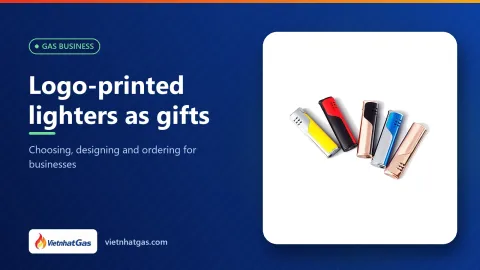
Logo-printed gift lighters for restaurants, cafés, dealers and events: why they work, choosing a lighter type, design tips, printing on plastic bodies, quantities, lead times and distribution.
Read article →
Need a volume quote?
Send us the capacity, quantity and brand printing requirements — VietnhatGas will reply with a batch quotation.