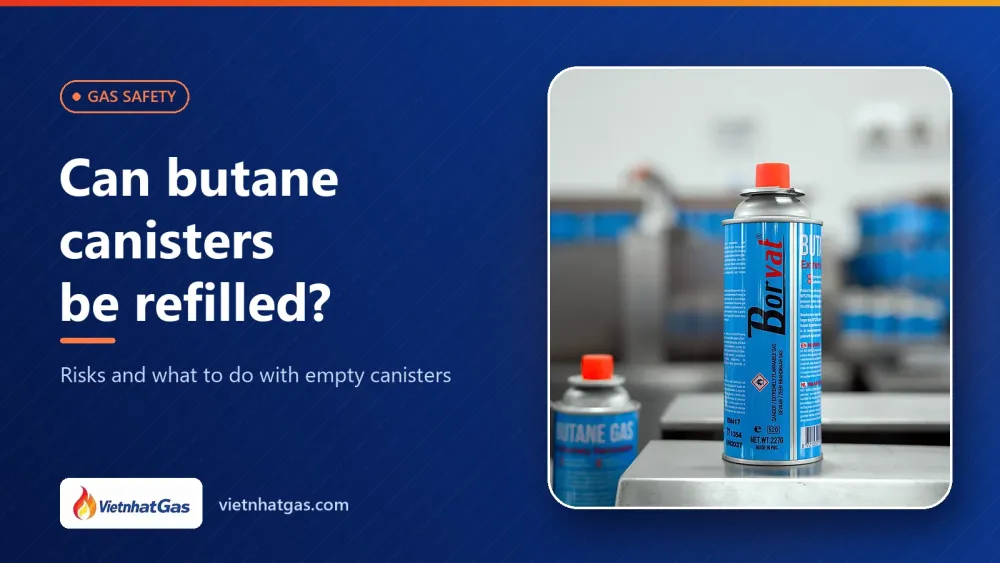
Can butane canisters be refilled? Risks and what to do with empty canisters
Butane canisters for portable stoves are designed for single use. Why decanting gas yourself or using a refill service is very dangerous, what to do with empty canisters and why you should buy new ones from a reliable source.
VietnhatGas · · 4 min read
Butane canisters run out very quickly at a hotpot meal for a crowd, so many people are reluctant to throw away the empty can and wonder: can butane canisters be refilled? The short answer: the butane canisters used with portable stoves are designed for single use and are not meant to be refilled. This article explains why, the risks of refilling them yourself and what to do with empty canisters.
Butane canisters are designed for single use
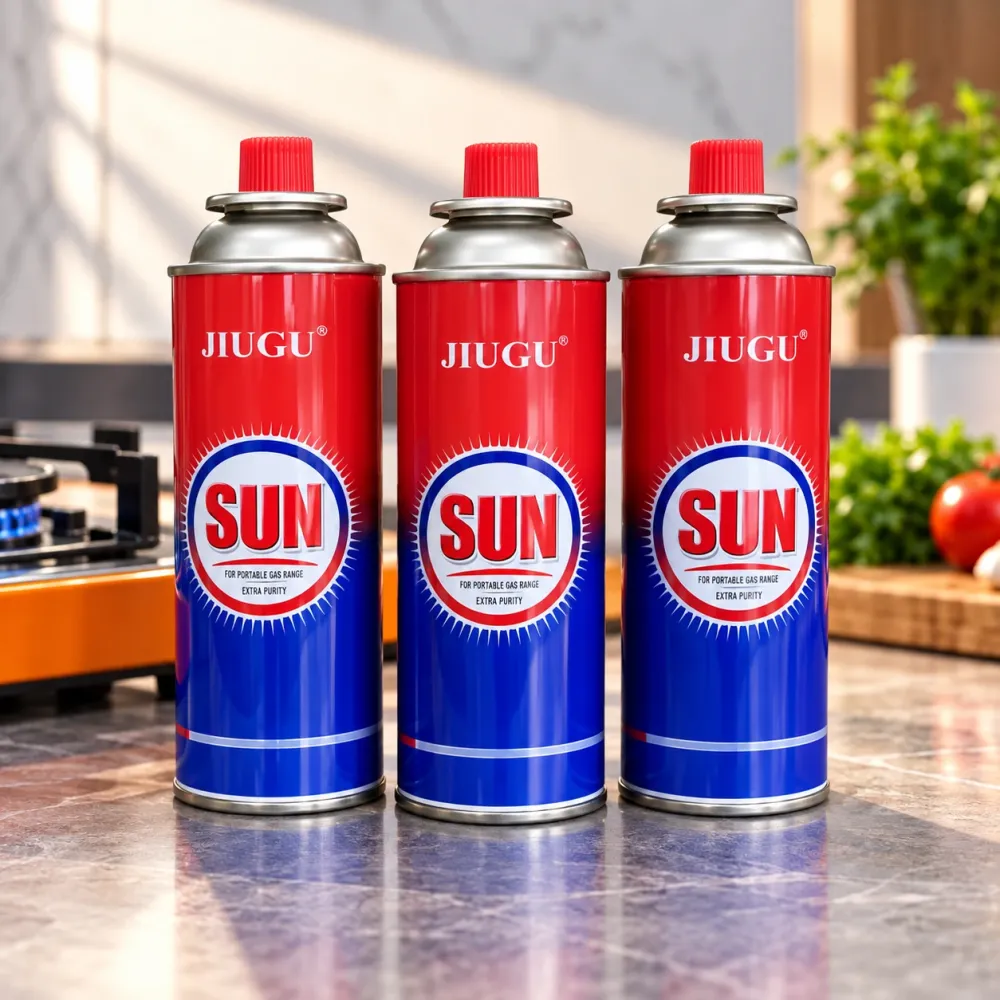
A butane canister is a small pressure vessel with a thin steel shell, containing liquefied butane — for the properties of this gas, see what is butane. Unlike thick-walled steel LPG cylinders, which are periodically inspected and kept in circulation for many years, a butane canister:
Has a thin, light shell designed for one life cycle: from filling at the factory until the gas is used up.
Is filled with metering equipment, leaving the necessary vapour space before the valve is sealed.
Has a valve and seal designed to release gas to the stove, not to take gas in again and again.
Once the canister is empty, its life cycle is over. Many canisters also carry a printed warning not to refill them; read the instructions printed on the canister carefully.
Why is refilling butane canisters yourself so dangerous?
Decanting gas from a large cylinder into a butane canister with an adaptor, or using a cheap “mini gas refill” service, carries many risks:
Overfilling: without metering equipment, the canister can easily be filled almost full of liquid, losing its vapour space; when it gets hot, the pressure rises very quickly and the canister may bulge, leak gas or explode.
Damaged valve and seal: forcing gas back through the valve can deform the seal, so the canister may leak when fitted to the stove or while in storage.
A weakened shell: a used canister may be slightly dented or rusty at the base, which is hard to see but reduces its ability to withstand pressure.
The wrong type of gas: gas from a household LPG cylinder may have a higher vapour pressure than the canister and stove are designed for.
Leaks while decanting: the gas is heavier than air, collects close to the floor and can easily ignite near a stove or a light switch.
No quality control: no leak test, no weighing, and nobody takes responsibility if something goes wrong.
Proper gas filling takes place at a plant with its own equipment and procedures — see the gas filling process — and must comply with current regulations.
Butane canisters are filled and checked at the factory and are meant for a single life cycle.
What should you do with an empty butane canister?
Use it until the flame goes out completely, in a well-ventilated place and under supervision, then turn the knob to the off position. If the flame is weak because of cold weather rather than an empty canister, see how long a butane canister lasts.
Remove the canister from the stove, fit the cap and keep it away from heat sources: a canister that seems empty may still contain a little gas.
Do not puncture or burn it, and do not throw the canister into a fire.
Dispose of it properly in line with local waste collection guidance.
Buy new canisters from a reliable source
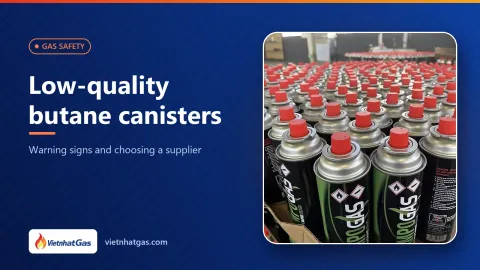
When it comes to whether butane canisters can be refilled, the safe choice is always to buy a new canister: the small saving is not worth the risk of fire or explosion at the dinner table. Choose branded canisters with a Vietnamese label and a clear production date or batch code — see butane canister expiry date — and store them as described in how to store butane canisters. Be suspicious of canisters with a missing cap, tool marks around the valve, a label stuck over another one or an unusually low price — see how to spot poor-quality butane canisters.
Frequently asked questions
Butane canisters have a valve too, so why can’t they be refilled like large gas cylinders?
The canister valve is only for releasing gas to the stove and is sealed once at the factory; the shell is thin and is not periodically inspected like a large gas cylinder.
Is it a problem to buy cheap refilled butane canisters?
The risk is high: the canister may be overfilled, contain the wrong type of gas or have a damaged seal, making it prone to leaking gas or bulging during cooking.
Can empty butane canisters be recycled?
The canister shell is made of steel, so it can be collected for recycling once it is completely empty of gas; dispose of it according to local waste sorting guidance.
Written by the VietnhatGas technical and sales team — a batch manufacturer of LPG cylinders. This content is for reference; regulations and standards may change, so please check the current texts.
A guide for hotpot restaurant owners to work out the number of stoves per table, estimate daily mini gas canister use, set a safe stock level and ordering rhythm, change canisters mid-shift and set routines for staff.
A portable gas stove that won’t light is usually caused by a canister not seated in its notch, an empty or very cold canister, a damp igniter, a blocked burner or a tripped safety valve. Step-by-step checks and when to replace the stove.
How to spot low-quality butane canisters by the label, batch code, can body, valve and price; why caution is needed and which documents dealers should request from their suppliers.
Read article →
Need a volume quote?
Send us the capacity, quantity and brand printing requirements — VietnhatGas will reply with a batch quotation.