Butane canister expiry date: how to read it and check canisters before use
Where the production date, expiry date and batch code of a butane canister are printed, what the shelf life means for a pressurised canister, how to check a canister before use and what to do with expired ones.
VietnhatGas · · Updated · 4 min read
When buying butane canisters, many people look for an expiry date as they would on food but cannot find one, or only see a string of hard-to-read numbers on the base of the canister. The butane canister expiry date is not like a food use-by date: the gas inside does not “go off”; what deteriorates over time is the seal, the valve and the shell. Below is how to read the information, check canisters and deal with expired ones.
Where are the production date, expiry date and batch code printed?
Each manufacturer marks them in its own way, usually in one or more of the following places:
The base of the canister: a stamped or inkjet-printed string of numbers including the production date and batch code.
The body of the canister: printed with the label, near the manufacturer’s name and the warnings.
The carton: showing the production date, batch code, specification and number of canisters.
Some brands clearly mark “NSX” (production date) and “HSD” (expiry date), while others only give the production date along with a recommended shelf life on the label. If the numbers are hard to read, ask the distributor. A canister with no manufacturer, date or batch information is a sign to stay away — see how to spot poor-quality butane canisters.
What does shelf life mean for a pressurised canister?
Butane is a stable hydrocarbon; it does not spoil or degrade like food. The shelf life printed on the canister is mainly the period for which the manufacturer guarantees the sealing parts and the shell:
Seal and valve: rubber and plastic materials gradually age, especially in hot, humid conditions; a hardened seal can easily cause a gas leak when the canister is fitted to the stove.
Thin steel shell: if kept for a long time in a damp place, the shell may rust at the base and along the seams.
Tightness: a well-sealed canister loses almost no gas; a canister that has become noticeably lighter after a period in storage is a sign of a slow leak.
A canister within its shelf life can still fail if stored incorrectly; an expired canister is no longer guaranteed by the manufacturer even if it looks normal. The exact shelf life depends on the brand.
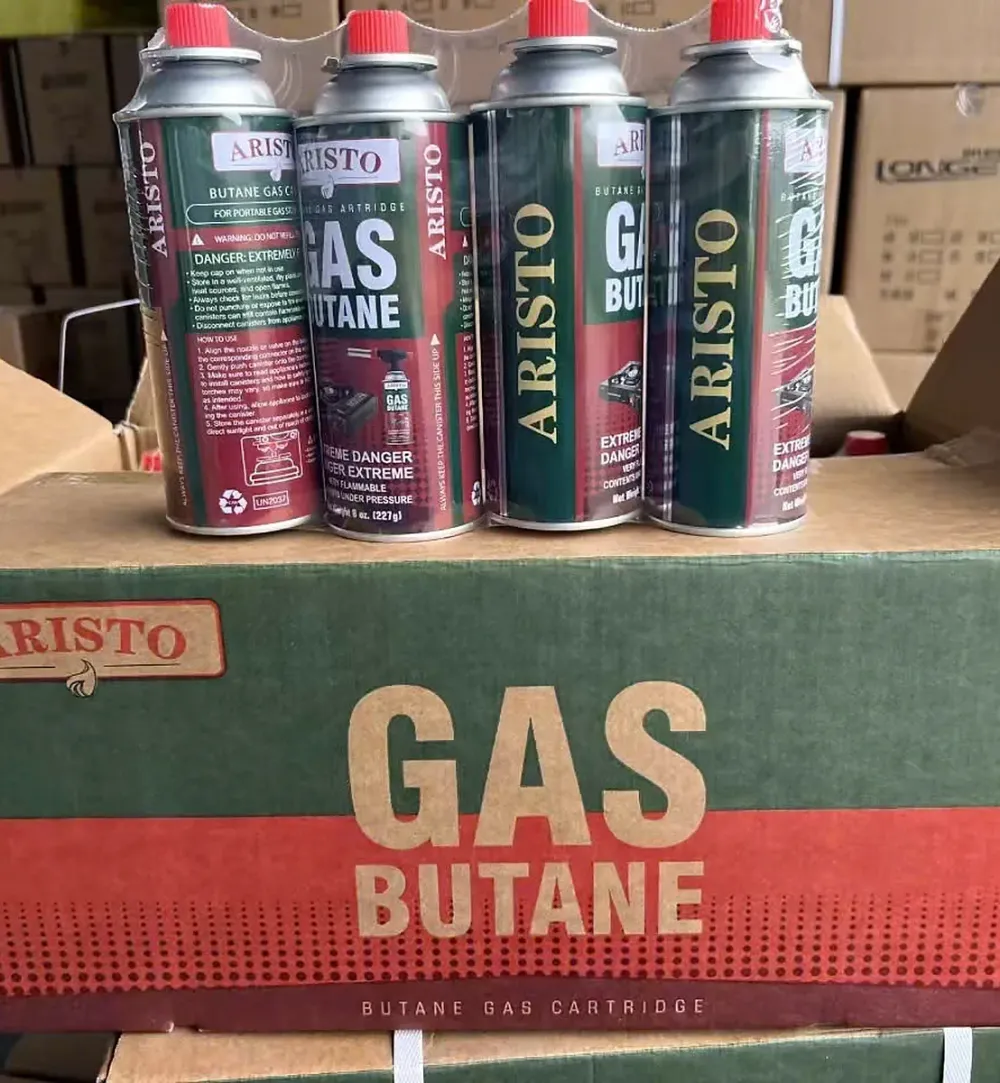
The production date and batch code are usually shown both on the canister and on the carton.
Check the canister before fitting it to the stove
Read the information: look at the butane canister expiry date, or the production date along with the recommended shelf life; set expired canisters aside.
Look at the shell and valve: set aside and do not use any canister that is dented, rusty, bulging, missing its cap or has a damaged locating notch — the detailed signs are in the article on spotting poor-quality canisters linked above.
Smell: if a canister smells of gas before it is even fitted, take it outdoors, away from flames and electrical sources.
When fitting it to the stove: if you hear hissing or smell gas, remove the canister immediately and do not light the stove.
For shops, the rule is first in, first out: sell older batches first, and separate batches close to expiry to prioritise selling them or discuss them with the distributor. For dating cartons on receipt, stacking and keeping the stockroom in the right conditions, see how to store butane canisters; for ordering by season, see running a mini gas business.
What should you do with expired canisters?
Stop using them, even if they look fine; shops should not sell them to customers.
Do not release the gas indoors yourself, do not puncture or burn them; keep them separately in a cool, well-ventilated place, clearly marked “do not use”.
Shops should contact the distributor for instructions on returns; households should follow local waste collection guidance.
Besides the expiry date, the canister must also suit the stove: our article on which mini gas canister fits which stove compares 220–250g canisters with 120g ones and explains what to do when a canister will not lock into the stove.
Frequently asked questions
If a butane canister only shows the production date, how do I know when it expires?
Many brands state a recommended shelf life counted from the production date in the notes on the label. If you cannot find it, ask the distributor.
Can a canister within its shelf life still be used if it is rusty or dented?
It is not advisable. Rusty, dented or bulging canisters should be set aside and treated as faulty, regardless of the date.
Does the gas in an expired canister make the flame weaker?
The gas does not degrade; a weak flame is usually due to a nearly empty canister or cold weather, see how long a butane canister lasts. An expired canister should still not be used because the seal and valve may have deteriorated.
Shops looking for 120g mini gas canisters and 220 – 250g canisters with clear manufacturer, date and batch information? Send a request on our quotation page.
Written by the VietnhatGas technical and sales team — a batch manufacturer of LPG cylinders. This content is for reference; regulations and standards may change, so please check the current texts.
How to spot low-quality butane canisters by the label, batch code, can body, valve and price; why caution is needed and which documents dealers should request from their suppliers.
Butane canisters contain liquefied gas under pressure, so they need to be kept in the right place. A guide to choosing where to keep them at home, stacking cartons and managing canisters in shops and warehouses, and regular checks for safe use.
Private-label (OEM) butane mini gas canisters: who they suit, what can be customised, mandatory label content, the ordering process, minimum quantities and paperwork.
Read article →
Need a volume quote?
Send us the capacity, quantity and brand printing requirements — VietnhatGas will reply with a batch quotation.