Selling mini gas canisters: stocking, display and add-on sales
Practical tips for shops and dealers selling mini gas: customer groups, seasons, choosing a supplier, safe display and selling portable stoves and lighters alongside.
VietnhatGas · · 3 min read
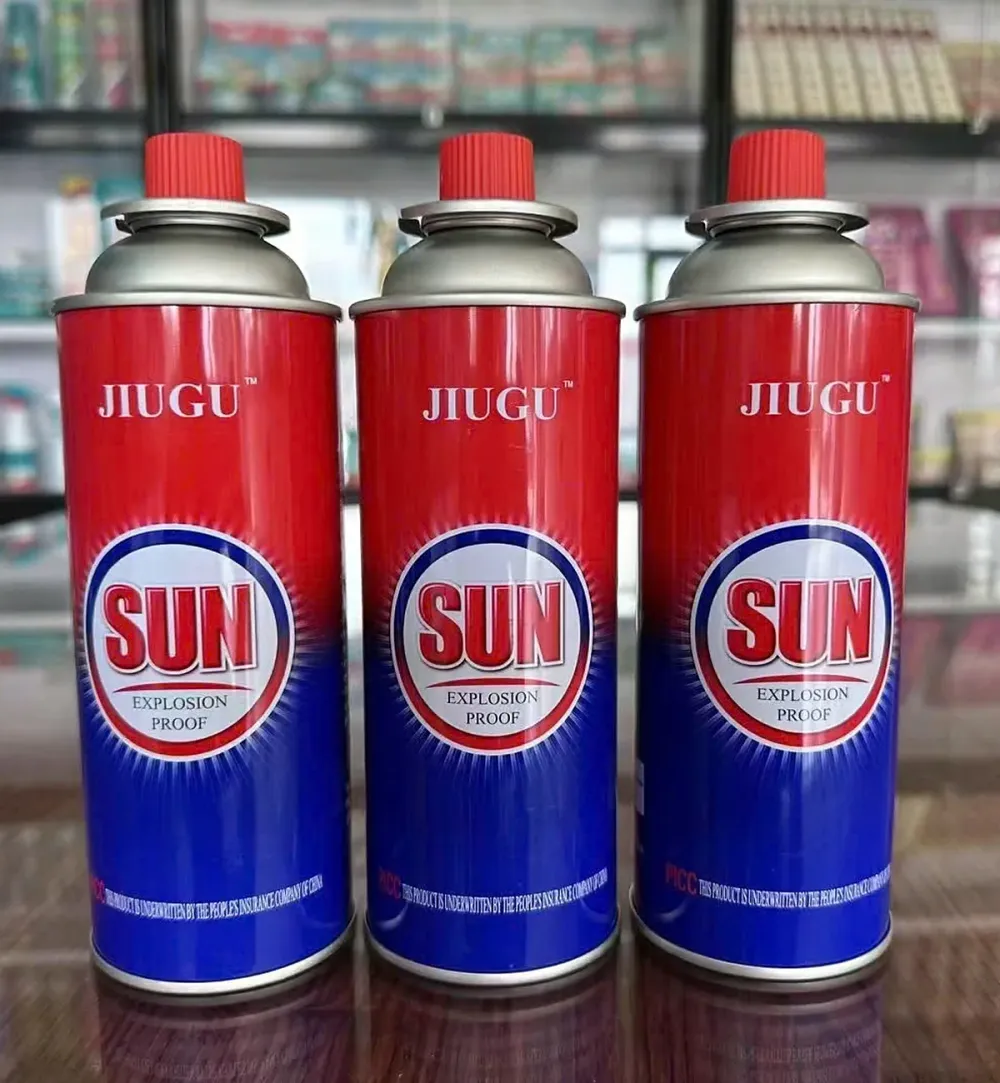
Mini gas (butane canisters for portable stoves) is a small item that sells fast, with customers who buy again and again and plenty of add-on opportunities. For convenience stores, LPG dealers and distributors, selling mini gas canisters can become a steady source of revenue once you understand your customers, the seasons and how to display the product safely.
Who buys mini gas?
Hotpot restaurants, barbecue restaurants and eateries: large, regular orders, usually by the carton.
Households: portable stoves for hotpot meals, quick cooking or as a backup during power cuts.
Campers, picnickers and travellers: prefer compact canisters.
Parties, events and canteens: demand comes in waves.
Each group needs a different approach: eateries want delivery and carton prices; walk-in customers want stock on the shelf and advice on safe use.
Follow the seasons to stock at the right time
Mini gas sells more in the cool season (hotpot season), around Tet and festivals, and in the travel and camping season. Increase orders a few weeks before these peaks and use last year’s sales to plan. Outside the peaks, restaurant customers keep buying steadily — this is the group to look after to keep your base revenue.
Choose a traceable supplier
Canisters with complete labelling: product name, net weight, contents, instructions and safety warnings in Vietnamese, the responsible company, and manufacturing or expiry date.
Canisters that are not dented or rusty, with protective caps in place.
A supplier who provides invoices and documents and a policy for replacing faulty goods.
Newcomers usually start with ready products under a distribution franchise policy, so they get stock, prices and display support straight away. Once a sales channel is stable, a distributor can order mini gas canisters printed with their own brand by choosing a canister design for their identity — see our butane mini gas category.
Frequently asked questions
Can a convenience store sell mini gas?
Yes. Mini gas is a common consumer product in convenience stores and mini-marts. Display it in a cool, shaded place away from heat sources and follow local regulations for the goods you sell.
Should I stock 120g or 220 – 250g canisters?
Eateries and households mostly use 220 – 250g canisters; 120g canisters suit campers and travellers. Stock both, in a ratio that matches your area’s main customers.
Do I have to sell stoves with mini gas?
No, but selling portable stoves and lighters alongside raises the value of each order and keeps customers coming back for gas.
Want a quotation for mini gas and portable stoves by the carton, or our regional franchise policy? Send a request on our quotation page.
Written by the VietnhatGas technical and sales team — a batch manufacturer of LPG cylinders. This content is for reference; regulations and standards may change, so please check the current texts.
A comparison of steel and composite gas cylinders covering construction, weight, durability, cost, inspection and how common each is in Vietnam, to help dealers choose the right type of cylinder.
A weak gas stove flame, a red or yellow flame or uneven burning can be caused by a nearly empty cylinder, the regulator, the hose, dirty burners or incorrect air adjustment. How to check each cause and when to call a technician.
How long a 12kg gas cylinder lasts depends on the stove’s output and your cooking time. How to estimate your own gas use, how to tell a cylinder is running low by weighing it and tips for saving gas when cooking.
Read article →
Need a volume quote?
Send us the capacity, quantity and brand printing requirements — VietnhatGas will reply with a batch quotation.