Opening an LPG dealership in Vietnam: what do you need?
What to prepare when opening an LPG dealership: area survey, business model, shop requirements, paperwork, cylinders, gas supply and delivery.
VietnhatGas · · Updated · 4 min read
LPG is an everyday necessity with customers who come back regularly, which is why opening an LPG dealership attracts many new business owners. But LPG is also a hazardous product and a conditional business line: without proper preparation of the premises, paperwork or cylinder supply, a shop will struggle to last. This article walks through the steps in the right order, from the first survey to delivering your first cylinder.
1. Survey the area and the customers
Before renting premises, answer three questions:
Who are your main customers? Residential areas with many households mostly use 12kg cylinders; markets, industrial parks and rows of eateries use many 45kg cylinders.
How many dealers are already nearby? Walk around a radius of a few kilometres and note the cylinder brands on sale and their delivered prices.
How will you be different? Faster delivery, evening service, extra stoves and accessories, or a private brand customers recognise easily.
The survey results drive almost everything that follows: how many cylinders you need, the 12kg – 45kg ratio, delivery vehicles and pricing.
2. Choose a business model
There are three common routes for newcomers:
Selling an existing brand’s cylinders: buy from a licensed gas trader and sell under their pricing and policies. Easy to start, but hard to stand out.
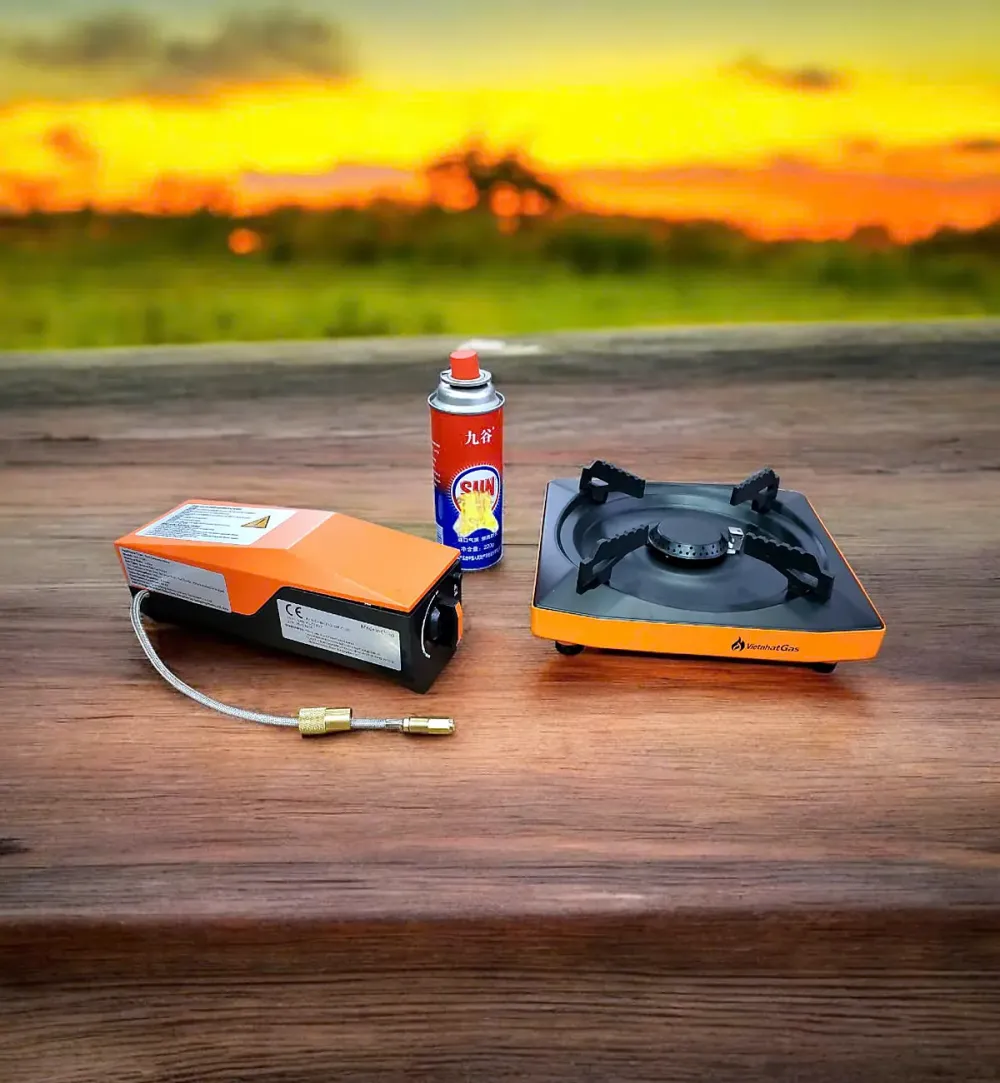
Distribution franchise: sell a brand’s products under a regional policy — for example VietnhatGas distribution franchise with mini gas canisters, portable stoves and lighters that sell well alongside cylinder gas.
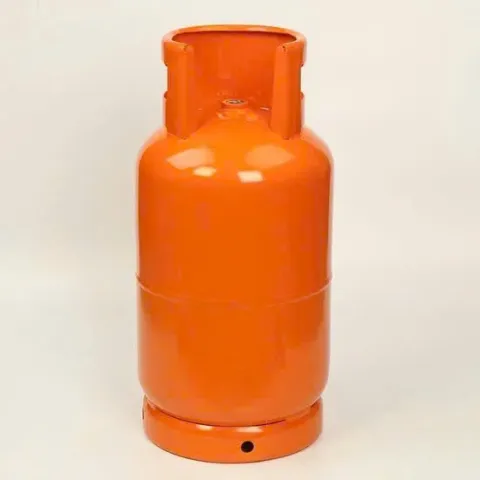
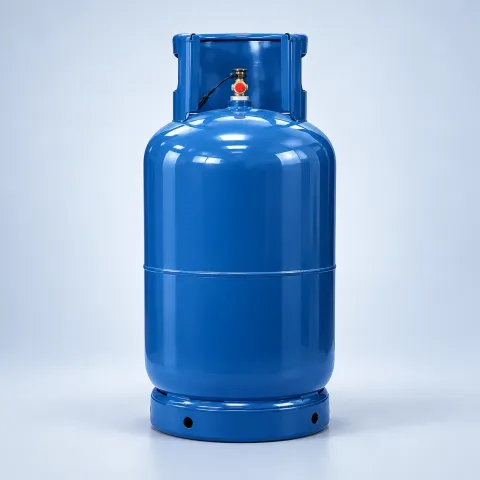
Private-label cylinders: order cylinders painted with the dealer’s colour and logo so customers recognise your cylinders and fewer are lost — see ordering private-label LPG cylinders.
3. Premises and shop requirements
An LPG shop must meet fire safety requirements: the cylinder area must be dry, well ventilated, out of direct sunlight and away from flames and heat sources, with fire extinguishers and easy access. LPG is heavier than air, so leaked gas collects in low places — do not choose premises with a basement or closed drains right where cylinders are kept. Detailed storage arrangements are covered in storing LPG cylinders safely in a dealer’s warehouse.
4. Paperwork to prepare
Gas trading is a conditional business line in Vietnam, regulated by Decree 87/2018/ND-CP on gas trading and its amendments. In general, a bottled LPG retail shop needs:
Business registration (household business or company) that includes gas trading.
A certificate of eligibility for a bottled LPG retail shop issued by the industry and trade authority.
Records showing the shop meets fire prevention and fighting requirements.
Staff trained in safety and fire prevention as required.
A purchase contract with a licensed gas supplier.
The exact documents and conditions may change with new regulations and vary by province — ask the local Department of Industry and Trade before signing a lease.
5. Cylinders: a dealer’s biggest asset
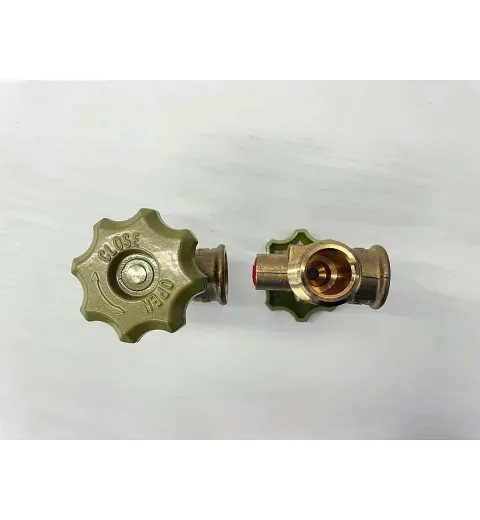
For an LPG dealer, cylinders are a large share of capital and circulate constantly between the warehouse, customers and the filling station. Count enough cylinders for customers in use, cylinders out for refilling and spares; choose cylinders with a clear origin and complete inspection records. How to calculate the number and the ratio of the two sizes is explained in 12kg vs 45kg LPG cylinders: which should a dealer stock?; how to check cylinder quality is covered in how to tell a compliant LPG cylinder.
6. Gas supply, delivery and record keeping
Gas supply: sign a contract with a licensed filling station or gas trader; agree on the cylinder exchange schedule and volume-based prices.
Delivery: motorbikes with cylinder racks for 12kg cylinders; small trucks for 45kg cylinders and industrial customers. Delivery staff should know how to install cylinders and check for leaks at the customer’s premises.
Records: track how many cylinders each customer holds, regular customers’ refill schedules and the inspection dates of your cylinders.
Frequently asked questions
Do I need my own brand to open an LPG dealership?
No. Many dealers start with an existing brand’s cylinders and only order private-label cylinders once they have a stable customer base, to retain customers and reduce cylinder losses.
Can I also sell mini gas canisters and portable stoves in an LPG shop?
Yes, and it is a good way to grow revenue from the same customers. Butane mini gas and portable gas stoves sell well to eateries, households and campers.
How many cylinders should I buy when starting out?
Base it on your expected customer list plus cylinders out for refilling and a 10 – 20% spare; start moderately and order more after 2 – 3 months based on actual turnover.
Preparing to open a dealership and need a cylinder quotation or our franchise policy? Send a request on our quotation page and our sales team will call you to recommend the right model for your area.
Written by the VietnhatGas technical and sales team — a batch manufacturer of LPG cylinders. This content is for reference; regulations and standards may change, so please check the current texts.
A comparison of steel and composite gas cylinders covering construction, weight, durability, cost, inspection and how common each is in Vietnam, to help dealers choose the right type of cylinder.
A weak gas stove flame, a red or yellow flame or uneven burning can be caused by a nearly empty cylinder, the regulator, the hose, dirty burners or incorrect air adjustment. How to check each cause and when to call a technician.
How long a 12kg gas cylinder lasts depends on the stove’s output and your cooking time. How to estimate your own gas use, how to tell a cylinder is running low by weighing it and tips for saving gas when cooking.
Read article →
Need a volume quote?
Send us the capacity, quantity and brand printing requirements — VietnhatGas will reply with a batch quotation.